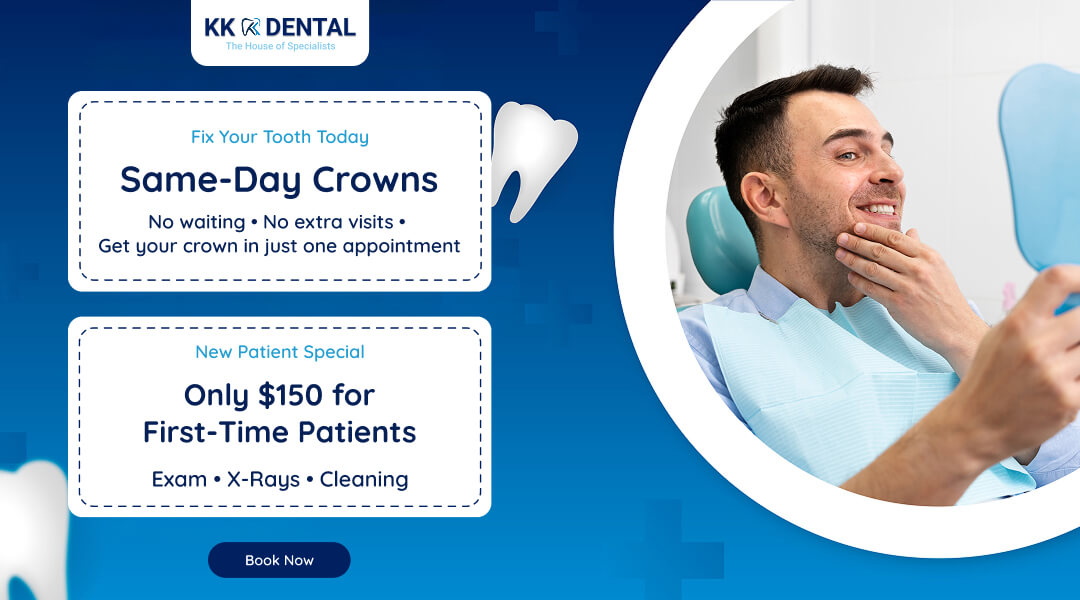

The Role of Dental Crowns in Restoring Smiles After Accidents

Accidents are an unfortunate part of life, often leaving behind more than just physical injuries. Dental trauma, in particular, can have a profound impact on one’s smile, affecting both appearance and functionality. In the face of such adversity, finding solace in restoring one’s smile becomes paramount. Dental crowns emerge as a beacon of hope in this journey, offering a transformative solution to restore damaged teeth’ form and function. We understand the importance of restoring smiles after accidents and dental crowns play a crucial role in this process. As we embark on this voyage of healing together, let us be your partner in reclaiming your smile and your sense of self-assurance and well-being.

Understanding Dental Trauma

Dental trauma can occur in various forms, ranging from chips and cracks to more severe injuries like avulsion (complete tooth loss). When faced with dental trauma, seeking immediate care from a skilled oral surgeon or local dentist is essential. The dentist should specialize in addressing dental emergencies promptly and effectively.

Immediate Steps After an Accident:

In the aftermath of an accident, time becomes an elusive commodity. Act swiftly to mitigate further damage. Here are some steps you can take:

  • Rinse your mouth with lukewarm water to cleanse any debris.
  • Use a chilled pack to minimize puffiness and soothe discomfort.
  • Seek immediate assistance from an oral surgeon near youto assess the extent of dental trauma.

The Role of Dental Crowns

Dental crowns are custom-made caps that cover damaged or weakened teeth, restoring their strength, shape, and appearance.

  • Like a master craftsman sculpting a masterpiece, dental crowns encapsulate both form and function.
  • Made from sturdy substances like porcelain or ceramic, dental caps offer a strong protective barrier for compromised or impaired teeth.
  • Dental crowns breathe new life into fractured smiles, restoring aesthetics and functionality and offering a beacon of hope amidst the darkness of trauma.

At KK Dental Edison, we offer a range of dental crown options, including porcelain, ceramic, and metal crowns, to suit each patient’s unique needs. Whether you’ve experienced a chip, crack, or more extensive dental trauma, our skilled dentist at 08817 will recommend the most suitable crown solution to restore your smile effectively.

Post-Treatment Care

After dental crowns, proper post-treatment care is essential to ensure their longevity and oral health. Here are some tips to follow:

  • Treat your newly-crowned smile with the tenderness it deserves.
  • Maintain optimal dental cleanliness with routine brushing and interdental cleaning to keep plaque and decay at bay.
  • Steer clear of biting into tough or adhesive edibles that might compromise the integrity of the caps.
  • Schedule regular check-ups with a dentist in Edison, NJfor routine examinations and professional cleanings.

Conclusion

In conclusion, accidents may leave us broken in the intricate tapestry of life, but they do not define us. Through the skilled hands of dentistry and the transformative power of dental crowns, we reclaim our smiles and embrace the journey toward healing. Dental crowns are invaluable in restoring smiles after accidents. If you’ve experienced dental trauma, don’t hesitate to seek help from KK Dental Edison, your trusted periodontist in Edison, NJ. Our skilled professionals are dedicated to offering empathetic support and creative treatments to restore your smile’s brilliance. At our dental office in Edison, we are guardians of your smile, guiding you through the darkest times toward a brighter, more radiant tomorrow. Trust in us, and let your smile be your beacon of resilience in the face of adversity.

Dental Crown Options for Diabetic Patients: Ensuring a Bright Smile

At KK Dental in Somerset, NJ, we understand that diabetes can impact your dental health. This informative blog explores dental crown options tailored to diabetic patients, ensuring a healthy, confident smile without compromising your overall well-being.

Understanding the Diabetes-Dental Health Connection

Diabetes is a regular condition that affects how your body processes glucose (sugar). It can influence various elements of your health, including your oral well-being. Diabetic individuals are more prone to dental issues such as gum disease, tooth decay, and even tooth loss. This makes dental care, including the consideration of dental crowns, essential for maintaining oral health.

Why Dental Crowns for Diabetic Patients Matter

Dental crowns, also understood as caps, are customised restorations that encase a weak or damaged tooth. They strengthen and protect the tooth, restoring its function and appearance. For diabetic patients, dental crowns offer several crucial advantages:

  1. Preserving Teeth: Diabetics are at a higher risk of tooth decay and gum disease. Dental crowns can save and protect compromised teeth, preventing the need for extractions.
  2. Restoring Function: A damaged or cut tooth can affect your power to chew and speak comfortably. Dental crowns restore these essential functions.
  3. Enhancing Aesthetics: Dental crowns are designed to check the color and shape of your natural teeth, ensuring a seamless, attractive smile.
  4. Preventing Further Damage: Diabetic patients must address dental issues promptly to avoid complications. Dental crowns can halt the progression of dental problems.

Types of Dental Crowns Suitable for Diabetic Patients

  1. Porcelain Crowns: These crowns are an excellent choice for diabetic patients because they are highly aesthetic and biocompatible. They nearly mimic the appearance of natural teeth.
  2. Zirconia Crowns: Zirconia crowns are durable and resistant to wear and tear. They provide strength and stability to weakened teeth.
  3. Metal-Free Crowns: Metal-free crowns are ideal for diabetic patients with sensitivities. They are hypoallergenic and blend seamlessly with natural teeth.

The Dental Crown Process

  1. Consultation: Your Somerset dentist will assess your dental health, discuss your diabetes management, and decide if a dental crown is the right solution for you.
  2. Preparation: The tooth receiving the crown is prepared by removing any broken or decayed portions.
  3. Impression: An impression of your tooth is taken to prepare a custom crown that fits perfectly.
  4. Temporary Crown: A temporal crown may be placed during the time your permanent crown is being prepared.
  5. Placement: Once your custom crown is ready, it is securely bonded to your tooth, restoring its strength and appearance.

Oral Health Care Tips for Diabetic Patients

  1. Maintain Consistent Blood Sugar Levels: Keeping your blood sugar levels in control is essential for overall health, including dental health.
  2. Regular Dental Check-ups: Diabetic patients should schedule regular dental check-ups to detect and address dental issues early.
  3. Excellent Oral Hygiene: Brushing and flossing daily and using an antimicrobial mouthwash helps prevent gum disease.
  4. Stay Hydrated: Drinking water helps combat dry mouth, a common concern for diabetic individuals.
  5. Diabetes Management: Continue following your diabetes management plan as your healthcare provider prescribes.

Dental crown options for diabetic patients are valuable in preserving oral health and ensuring a beautiful smile. We provide compassionate, patient-centered care at KK Dental in Somerset, NJ. If you’re a diabetic patient seeking dental solutions, contact us for expert guidance and personalized treatment. Together, we can help you achieve and maintain optimal oral health, regardless of your diabetes status. Invest in your smile and well-being today!

Scaling & Root Planing vs. Regular Cleanings: What’s the Difference?

At KK Dental in North Brunswick, NJ, we’re committed to helping you reach and support optimal oral health. Two essential procedures that play a crucial role in this endeavor are regular dental cleanings and scaling and root planing. While both focus on keeping your teeth and gums healthy, they serve different purposes. Let’s explore the differences between these two important dental treatments and when they are recommended.

Regular Dental Cleanings

Regular dental cleanings, also known as prophylaxis or hygiene appointments, are an integral part of preventive dental care. Here’s what you can expect from a regular cleaning:

  1. Plaque and Tartar Removal: Dental hygienists use specialized tools to remove plaque and tartar (hardened plaque) from the surfaces of your teeth. This approach helps prevent tooth decay and gum disease.
  2. Polishing: After cleaning, your teeth are polished to remove surface stains and leave them smooth and shiny.
  3. Examination:Your dentist in North Brunswick NJ 08902 will examine your teeth and gums to determine any issues, such as recesses or signs of gum disease.
  4. Oral Hygiene Education: Dental professionals may offer advice on good oral hygiene techniques, including brushing and flossing, tailored to your specific needs.

When Are Regular Cleanings Recommended?

Regular dental cleanings are typically recommended every six months for most patients. However, some individuals with specific oral health conditions may require more frequent cleanings. These appointments are important for maintaining good oral hygiene, preventing cavities, and catching dental issues early.

Scaling & Root Planing

Scaling and root planing is a more in-depth cleaning procedure designed to address gum disease (periodontal disease) and its associated symptoms. Here’s what it involves:

  1. Scaling: Dental professionals use specialized instruments to remove plaque and tartar not only from the tooth surfaces but also from below the gumline. This process helps eliminate bacterial buildup responsible for gum inflammation and infection.
  2. Root Planing: After scaling, the roots of the teeth are smoothed (planed) to remove rough areas where bacteria can accumulate. Smoothing the roots promotes gum reattachment and prevents further bacterial growth.
  3. Local Anesthesia: Scaling and root planing may require local anesthesia to ensure your comfort during the procedure.
  4. Multiple Appointments: In some cases, scaling and root planing may need to be performed over multiple appointments, focusing on different areas of the mouth.

When Is Scaling & Root Planing Recommended?

Scaling and root planing are typically recommended when a patient exhibits signs of gum disease, such as:

– Red, swollen, or bleeding gums

– Receding gumline

– Persistent bad breath

– Pockets forming between teeth and gums

– Loose teeth

Your oral surgeon will assess your oral health and recommend scaling and root planing if gum disease is detected. The procedure is an effective way to treat gum disease and prevent it from progressing to more advanced stages.

Key Differences

  1. Purpose: Regular cleanings focus on preventive care, plaque removal, and maintaining good oral hygiene. Scaling and root planing are therapeutic procedures specifically designed to treat gum disease.
  2. Depth of Cleaning: Regular cleanings address the visible surfaces of teeth and the spaces between them. Scaling and root planing go deeper, targeting the tooth roots and gum pockets to treat gum disease.
  3. Frequency: Regular cleanings are typically recommended every six months, while scaling and root planing are performed as needed when gum disease is present.

Both regular dental cleanings and scaling and root planing are essential components of maintaining excellent oral health. Regular cleanings help prevent common dental issues, while scaling and root planing address gum disease when it occurs. The frequency and type of cleaning you need depend on your individual oral health needs and conditions.

At KK Dental in North Brunswick, NJ, our dedicated team is here to provide you with personalized care, whether it’s a routine cleaning or a more specialized procedure like scaling and root planing. Your oral health is our top priority, and we are committed to helping you achieve a healthy and confident smile. If you have any questions about your dental care or need to schedule an appointment, don’t hesitate to reach out. We’re here to support your oral health journey every step of the way.

Enhancing Denture Comfort: The Role of Bone Grafting

Losing teeth can be a challenging experience, impacting not only your smile but also your ability to enjoy your favorite foods and speak with confidence. For those considering dentures as a tooth replacement solution, there’s an essential element that can significantly improve their stability and comfort:... At KK Dental in Edison, NJ, we comprehend the importance of providing our patients with the best possible denture experience. Let’s explore how bone grafting plays a crucial role in enhancing the stability and comfort of dentures.

Understanding Dentures and Bone Loss

Dentures are an effective option for replacing multiple missing teeth. They are created to mimic the appearance and function of natural teeth, providing both aesthetic and functional benefits. However, one challenge that denture wearers often face is a loss of stability over time. This instability can result from the gradual loss of bone in the jaw.

When teeth are extracted or lost, the jawbone that once supported them begins to resorb or shrink. This natural process of bone loss occurs because the stimulation provided by the tooth roots is no longer present. Over time, as the jawbone diminishes in size, it can lead to ill-fitting dentures that may slip, cause discomfort, and affect speech and chewing.

The Role of Bone Grafting

Bone grafting is a dental practice that can address the matter of bone loss in the jaw. It involves adding bone material to the jawbone to augment its volume and density. By restoring bone volume, bone grafting provides several key benefits for denture wearers:

  1. Enhanced Stability: A well-prepared jawbone with adequate bone volume provides a stable foundation for dentures. This stability reduces the risk of denture movement and discomfort during daily actions like eating and speaking.
  2. Improved Comfort: Dentures that fit securely on a stable jawbone are more comfortable to wear. Individuals can savor their meals without concern for denture slippage or irritation of the gum tissue.
  3. Better Speech: Stable dentures supported by a healthy jawbone enable clearer and more natural speech, enhancing overall communication.
  4. Longevity: Dentures that sit on a stable foundation tend to last longer and require fewer adjustments over time.

The Bone Grafting Process

The bone grafting procedure involves the following steps:

  1. Consultation: During your initial consultation at KK Dental in Edison, NJ,

Our seasoned oral surgeon will assess your oral health, engage in a conversation about your objectives, and ascertain the necessity of bone grafting.

  1. Graft Material: Bone graft material can be obtained from various sources, such as your own body (autograft), a donor (allograft), or synthetic materials (alloplastic grafts). The selection of graft material is contingent upon your particular requirements and personal preferences.
  2. Graft Placement: The graft material is carefully placed in the area of bone loss. It acts as a framework for the initiation of new bone formation.
  3. Healing and Integration: Over time, your body will naturally integrate the graft material, stimulating the growth of new bone cells. This process is called osseointegration.
  4. Denture Fitting: Once the jawbone has sufficiently healed and the graft material has been integrated, your dentures can be custom-fitted to your stable jawbone, ensuring a secure and comfortable fit.

Maintaining Your Enhanced Denture Experience

To maintain the benefits of bone grafting and enjoy a comfortable denture experience, follow these essential steps:

  1. Regular Check-ups: Arrange regular dental appointments to oversee the well-being of your oral health and the status of your dentures. Adjustments or relining may be necessary over time.
  2. Proper Oral Hygiene: Maintain good oral hygiene by cleaning your dentures daily and caring for your gum tissue to prevent irritation.
  3. Dietary Choices: Choose a balanced diet that supports your overall health and dental well-being. Steer clear of hard or sticky foods that might pose a risk of causing damage to your dentures.
  4. Avoid Habits: Refrain from smoking or chewing tobacco, as these habits can impact your oral health and the longevity of your dentures.
  5. Communication: If you experience any discomfort or issues with your dentures, don’t hesitate to communicate with your dental care team. We are here to support you in maintaining your comfort and oral health.

Bone grafting plays a vital role in enhancing the stability and comfort of dentures, allowing patients to regain confidence in their smiles and the joy of everyday activities like eating and speaking. If you’re considering dentures or currently wear them and are experiencing issues with stability or discomfort, reach out to our compassionate team at KK Dental in Edison, NJ. We are dedicated to providing you with the best possible denture experience by addressing your unique needs and ensuring your oral health and well-being. Your comfort and satisfaction are our top priorities, and we’re here to help you enjoy the benefits of a well-fitting denture and a confident smile.

Herbal Teas and Their Benefits in Bone Graft Recovery

In the quaint town of Somerset, NJ, nestled among its serene landscapes, lies a haven for those seeking dental care – KK Dental – Somerset. Here, the focus is on providing top-notch dental services and guiding patients through their recovery journey with empathy and understanding. Today, we delve into a topic that’s both intriguing and beneficial for those undergoing dental reconstruction, particularly bone grafts: the role of herbal teas in aiding recovery.

Bone grafts are a common procedure in dentistry, often necessary for dental implants or other forms of dental reconstruction. While the technicalities of these procedures are handled by skilled professionals like your dentist in Somerset or an endodontist near you, the recovery process is equally crucial. It involves managing tooth sensitivity, ensuring the health of teeth and gums, and fostering the right environment for healing. One surprising yet effective aid in this process is herbal tea.

Herbal teas have been a part of traditional medicine for centuries, known for their therapeutic properties. In the context of bone graft recovery, they can be a soothing, natural complement to your healing regimen. Let’s explore some herbal teas and their specific benefits in this context.

  1. Chamomile Tea: Renowned for its calming properties, chamomile tea is a gentle companion in the recovery phase. It can help alleviate stress and encourage better sleep, which are vital for healing. Additionally, its anti-inflammatory properties can be beneficial in reducing gum swelling and discomfort.
  2. Green Tea: Green tea is packed with antioxidants and can be a powerful ally in your dental health journey. It’s known for promoting oral health by reducing bacteria and improving bad breath. For those recovering from bone grafts, the antioxidants in green tea can aid in reducing inflammation and enhancing overall recovery.
  3. Ginger Tea: Ginger, with its potent anti-inflammatory properties, can be particularly helpful in managing tooth sensitivity and discomfort post-surgery. It also aids digestion, which is crucial when your body is in a state of recovery.
  4. Peppermint Tea: Peppermint is not just refreshing; it’s also beneficial for oral health. It can help soothe sore gums and has mild antibacterial properties that can keep your mouth clean during recovery.
  5. Turmeric Tea: Turmeric is a powerhouse of anti-inflammatory properties, making it a wonderful choice for those recovering from dental procedures. It can help reduce swelling and pain, aiding in a smoother recovery process.
  6. Echinacea Tea: Often used to boost the immune system, Echinacea tea can be helpful in preventing infections post-surgery. Its immune-boosting properties ensure that your body can effectively heal from the inside out.
  7. Licorice Root Tea: Known for its healing properties, licorice root can help maintain a healthy mucous membrane in the mouth, which is essential post-bone graft surgery.

Incorporating these teas into your recovery routine can provide a comforting and natural way to aid your healing process. However, it’s important to remember that these teas should complement, not replace, the advice and treatment plan provided by Somerset dental clinic professionals. Always consult with your Somerset dentist, gum specialist near Somerset, or any other dental professional before making significant substitutes to your diet or health regimen.

Moreover, while herbal teas offer numerous benefits, they are part of a broader recovery strategy. This strategy includes maintaining good oral hygiene, following your dentist’s post-operative care instructions, and attending follow-up appointments. It’s vital to give your body the time and care it needs to heal properly.

In conclusion, as you navigate through your recovery from a bone graft or any dental reconstruction, consider herbal teas as a soothing and beneficial addition to your healing journey. At KK Dental – Somerset, the goal is to support you through every step of your dental health journey, offering guidance and care that goes beyond the dental chair. Remember, the path to recovery is not just about physical healing but also about nurturing your well-being as a whole.

Botox for Bruxism: Understanding This Modern Treatment Option

In the realm of dental health, the continuous evolution of treatment options brings forth innovative solutions that cater to a range of oral health concerns. One such modern approach, particularly in addressing Bruxism, is the use of Botox. At KK Dental – North Brunswick, we understand the complexities of dental issues and strive to offer our patients in North Brunswick, NJ, the latest and most effective treatments. This blog is designed to offer an in-depth insight into the innovative use of Botox as a new treatment method for Bruxism.

What is Bruxism?

Bruxism, commonly identified as teeth grinding, is a condition marked by individuals routinely clenching or grinding their teeth, usually in an involuntary manner. This can happen during the day or, more commonly, at night. While it might seem like a harmless habit, Bruxism can lead to a range of oral health issues, including tooth damage, jaw pain, and headaches.

Traditional Treatments for Bruxism

Traditionally, dentists and gum specialists have approached Bruxism treatment with oral appliances like mouthguards. These devices, designed to be worn during sleep, help protect the teeth from the pressure and friction of grinding. However, for some patients, these traditional methods may not fully address the underlying issues of Bruxism, prompting the need for alternative treatments.

The Emergence of Botox in Dental Treatments

Botox, a name synonymous with cosmetic procedures, has found its place in the field of dentistry, especially as an effective treatment for Bruxism. This might come as a surprise to those familiar with Botox only in the context of aesthetic enhancements.

How Does Botox Work for Bruxism?

Botox, which is a refined variant of botulinum toxin, is administered via injections into the specific muscles that facilitate the clenching and grinding actions typical in Bruxism. These injections temporarily relax the muscles, reducing the intensity of the muscle contractions and, consequently, the symptoms of Bruxism. It’s a minimally invasive procedure that can offer relief for those who haven’t found success with traditional treatments.

The Procedure: What to Expect

When considering Botox for Bruxism, the first step is a comprehensive consultation with a dentist or oral surgeon in North Brunswick, NJ. This consultation ensures that Botox is an appropriate treatment for your specific case of Bruxism. The procedure encompasses a sequence of injections performed by a certified expert. These injections are specifically aimed at the muscles responsible for jaw movement, and the entire treatment is relatively swift and involves minimal discomfort.

Safety and Efficacy of Botox for Bruxism

The use of Botox in treating Bruxism has been studied and found to be both safe and effective for many patients. It’s important to have the procedure performed by a skilled and experienced dentist or oral surgeon, as they can accurately target the muscles involved. Botox treatments for Bruxism typically last for several months, after which the procedure can be repeated if necessary.

The Benefits of Choosing Botox for Bruxism

One of the key benefits of Botox for Bruxism treatment is the targeted relief it provides. Unlike mouthguards, which only protect against the effects of grinding, Botox addresses the grinding behavior itself. Such treatment can result in a substantial decrease in symptoms like jaw pain and headaches commonly linked with Bruxism. Furthermore, as Botox works by relaxing the muscles, it also aids in reducing the long-term wear and tear on teeth.

Considerations and Aftercare

Like any medical or dental procedure, there are considerations to keep in mind when choosing Botox for Bruxism. It is of paramount importance to thoroughly share your medical history and disclose any medications you’re currently taking with your dentist or oral surgeon to ascertain the safety and suitability of Botox as a treatment option for you. After the procedure, patients can usually return to their normal activities immediately, with few restrictions.

Long-Term Management of Bruxism

While Botox offers temporary relief from Bruxism, it’s also essential to address any underlying causes or contributing factors. This may include stress management, addressing bite alignment issues, or other dental treatments. A comprehensive approach to Bruxism often yields the best long-term results.

Choosing the Right Dental Clinic in North Brunswick, NJ

For residents in the 08902 area looking for Bruxism treatment, selecting the right dental clinic is crucial. It’s important to choose a facility that not only offers modern treatments like Botox but also provides a comprehensive range of dental services. A clinic that places a high emphasis on patient comfort and utilizes the expertise of proficient professionals can greatly influence the overall quality of the treatment experience and its resulting outcomes.

Botox for Bruxism represents a modern approach to a common dental problem, offering an effective alternative for those who have not found relief through traditional treatments. As dental science advances, treatments like Botox become valuable tools in the arsenal of dental professionals. At KK Dental – North Brunswick, we are committed.

FAQs About Ridge Preservation: Answering Common Patient Questions

Ridge preservation is a crucial aspect of dental care, often discussed in dental clinics but not always fully understood by patients. At KK Dental – Edison, we believe in empowering our patients with knowledge, especially when it comes to procedures like ridge preservation. This complete guide aims to answer some of the most common questions, providing clarity and comfort to those considering or undergoing this procedure.

  1. What is Ridge Preservation?

Ridge preservation is a dental procedure aimed at maintaining the natural contour of your jawbone following a tooth extraction. When a tooth is taken out, the empty socket can lead to bone loss over time, altering the shape of your jaw and affecting your oral health. Ridge preservation involves placing bone graft material into the tooth socket to promote natural bone regeneration maintaining the ridge’s structure.

  1. Why is Ridge Preservation Important?

The primary importance of ridge preservation lies in its ability to maintain the jawbone’s integrity. It is crucial not only for aesthetic reasons but also for functional purposes. A well-preserved jawbone is essential for future dental procedures, such as implants, and helps in maintaining the overall structure of your face and mouth.

  1. Who Needs Ridge Preservation?

Ridge preservation is typically recommended for patients who have undergone a tooth extraction. It is particularly important for those planning to get dental implants in the future. Your dentist 08817 or oral surgeon near you can assess your specific needs and advise if ridge preservation is right for you.

  1. What Happens During the Ridge Preservation Procedure?

The procedure is usually performed immediately after a tooth extraction. The oral surgeon or periodontist in Edison, NJ, will place a grafting material into the tooth socket. This material can be synthetic, from a donor, or, in some cases, taken from another area of your body. The site is then covered with a collagen membrane and sutured to promote healing.

  1. Is Ridge Preservation Painful?

Like any dental procedure, discomfort levels can vary from person to person. However, ridge preservation is generally not considered a painful procedure. Local anesthesia is used to lessen discomfort during the procedure, and post-care tips are provided to manage any discomfort following the treatment.

  1. What Are the Post-Care Tips After Ridge Preservation?

Post-care is crucial for a successful recovery. It includes avoiding disturbing the treated area, adhering to a soft food diet for a few days, and practicing good oral hygiene. Your dentist will supply specific instructions based on your individual case.

  1. How Long Does Recovery Take?

Recovery times can vary, but generally, the initial healing period is about one to two weeks. Complete integration of the graft material with your natural bone can take a few months. During this time, it’s important to follow all post-care instructions and attend follow-up appointments.

  1. Can I Eat Normally After Ridge Preservation?

Directly after the procedure, it’s recommended to stick to soft foods to avoid putting any pressure on the treatment area. Gradually, as you heal, you can reintroduce your regular diet. Your dental team will advise you on the best foods to eat during the recovery period.

  1. What Are the Benefits of Ridge Preservation?

The benefits of ridge preservation include maintaining the natural shape of your jawline, facilitating the success of future dental implants, and preventing potential oral health issues related to bone loss.

  1. How Do I Know if I Need Ridge Preservation?

The best way to determine if you need ridge preservation is to consult with a dental professional. They can gauge your oral health and provide personalized advice. If you’ve recently had a tooth extracted or are planning to, discuss ridge preservation with your dentist.

  1. What Are the Risks Associated with Ridge Preservation?

As with any surgical procedure, there are some risks associated with ridge preservation, such as infection or rejection of the graft material. However, these risks are minimal and can be further reduced by following your dentist’s post-care instructions and maintaining good oral hygiene.

  1. How Much Does Ridge Preservation Cost?

The cost of ridge preservation can fluctuate depending on several factors, including the type of graft material used and the complexity of the procedure. It’s best to discuss the cost with your dental clinic, as they can provide a detailed estimate based on your specific needs.

  1. Is Ridge Preservation Covered by Insurance?

Coverage for ridge preservation can vary depending on your dental insurance plan. It’s advisable to check with your insurance provider to learn what is covered under your policy.

  1. Can Ridge Preservation Improve My Overall Oral Health?

Yes, by maintaining the integrity of your jawbone, ridge preservation plays a significant role in your overall oral health. It helps in keeping your teeth aligned and provides a strong foundation for future dental work.

In conclusion, ridge preservation is a valuable procedure for anyone who has undergone a tooth extraction. It plays a crucial part in maintaining your oral health and preparing your mouth for future dental work. At KK Dental – Edison, we are devoted to supplying our patients with the highest standard of care and ensuring that all your dental needs are met with professionalism and empathy. If you have more questions about ridge preservation or any other dental concerns, feel free to reach out to us.

Oral Cancer in Women: Risks, Symptoms, and Prevention

Oral cancer, a concerning health issue, affects many, but its impact on women is often less discussed. Understanding the risks, recognizing symptoms, and knowing prevention strategies are crucial in safeguarding women’s oral health.

The Risks

Oral cancer can arise from various factors. Lifestyle choices, like tobacco use and excessive alcohol intake, significantly increase the risk. The human papillomavirus (HPV), a common sexually transmitted infection, has also been connected to oral cancer. Women, particularly those with a history of HPV, should be aware of this connection.

Environmental factors, including excessive sun exposure, can contribute to cancer of the lips, a form of oral cancer. Genetics play a role, too; a family history of cancer can elevate one’s risk. Understanding these risks is the first step in prevention.

Symptoms to Watch For

Early detection of oral cancer is vital for effective treatment and recovery. Women should be vigilant for symptoms such as sores in the mouth that don’t heal, lumps or thickening of the cheek, white or red patches on the gums, tongue, tonsil, or mouth lining. Other signs include pain, tenderness, numbness in the mouth or lips, difficulty chewing, swallowing, speaking, or moving the jaw or tongue, and changing how teeth or dentures fit together.

Persistent symptoms, especially those lasting over two weeks, warrant visiting a Somerset dentist. KK Dental – Somerset, for instance, can provide a thorough examination and, if necessary, a referral to a specialist.

Prevention: A Key Strategy

Prevention plays a crucial role in combating oral cancer. Regular dental check-ups are essential. A Somerset dentist can screen for oral cancer, potentially catching it at an early, more treatable stage. Women should also conduct self-examinations monthly, looking for any of the mentioned symptoms.

Lifestyle modifications can significantly minimize the risk of oral cancer. Quitting tobacco products, limiting alcohol intake, eating a balanced food rich in fruits and vegetables, and protecting lips from the sun with SPF lip balm are effective strategies.

HPV vaccination is another preventive measure. While it’s most effective in adolescence, it can still benefit women who haven’t been vaccinated.

The Role of Dental Professionals in Detection and Recovery

Dentists play a pivotal part in the early detection of oral cancer. During routine check-ups, dentists can examine the mouth for signs of cancer, often identifying symptoms that patients may overlook. For women in the 08873 area, visiting a Somerset dentist 08873 can be a critical step in early detection.

In the event of a diagnosis, the dentist’s role extends into the recovery phase. Treatment for oral cancer can involve surgery, radiation, or chemotherapy, which can lead to complications in the mouth. A dentist can help manage these complications, providing care for oral sores, dry mouth, and other side effects. Pain management is also crucial to recovery, where dental professionals can offer guidance and support.

Empowering Women through Education and Support

Education is a powerful tool in the fight against oral cancer. Women should be informed about the risks and symptoms, understanding that their oral health is integral to their overall well-being. Community programs and healthcare providers, including dentists, can play a giant role in this educational effort.

Support networks are equally important. A diagnosis of oral cancer can be mentally and physically challenging. Access to support groups, counseling, and resources can provide much-needed comfort and assistance during treatment and recovery.

Oral cancer in women is a significant health concern, but with awareness, early detection, and preventive measures, you can effectively manage it. Regular dental check-ups, lifestyle modifications, and education are key components in this fight. For women in Somerset, consulting with a local dentist, such as KK Dental – Somerset, can provide peace of mind, expert care, and a pathway to maintaining excellent oral health. Remember, being proactive about oral health is vital in preventing oral cancer and ensuring a healthy, happy life.

Overcoming Sensitivity: Teeth Whitening Tips for Seniors with Sensitive Teeth

At KK Dental – Somerset, we’re dedicated to your dental well-being. In this article, we’ll address the challenges seniors with sensitive teeth may face when it comes to teeth whitening. We’ll provide empathetic guidance on gentle teeth whitening, making it an accessible option for those concerned about sensitivity while highlighting the importance of oral health.

Seniors and Teeth Whitening

As we age, our teeth naturally become more susceptible to staining and discoloration. This can be due to various factors, including a lifetime of dietary choices, tobacco use, medications, and changes in the tooth structure. Teeth whitening is a common dental cosmetic treatment that may do wonders for your smile and self-esteem.

Sensitivity as a Common Concern

However, seniors, in particular, may encounter challenges when it comes to teeth whitening. One of the most significant concerns is tooth sensitivity. Seniors often have thinner tooth enamel and exposed dentin, which can result in increased sensitivity to hot, cold, and acidic substances.

Gentle Teeth Whitening Tips for Seniors

While sensitivity can be a legitimate concern, it shouldn’t deter seniors from achieving a brighter smile makeover. With the right approach, teeth whitening can be a gentle and effective process. Here are some tips for seniors with sensitive teeth:

  1. Consult with Your Cosmetic Dentist

Before embarking on any teeth whitening journey, it’s essential to consult with your cosmetic dentist at KK Dental – Somerset. They are trained to evaluate the condition of your teeth and gums and provide you with individualized recommendations for the most effective whitening methods.

  1. Professional Teeth Whitening

Consider professional teeth whitening treatments administered by your somerset dentist. They can tailor the procedure to minimize sensitivity, using techniques such as a lower concentration of whitening agents and the application of desensitizing gels.

  1. At-Home Whitening Kits

At-home whitening kits, when prescribed by your dentist, can be a gentle and effective option. Your dentist 08873 can recommend products with lower concentrations of whitening agents to reduce sensitivity.

  1. Desensitizing Toothpaste

Using desensitizing toothpaste can help alleviate sensitivity and minimize discomfort during and after teeth whitening treatments.

  1. Slow and Steady Approach

Consider a gradual teeth whitening approach. This involves multiple shorter sessions instead of one lengthy treatment, reducing the risk of sensitivity.

  1. Maintain Good Oral Hygiene

Maintaining excellent oral hygiene is crucial to protect your newly whitened teeth. Your dentist at KK Dental – Somerset can provide guidance on proper brushing and flossing techniques.

Sedation Dentistry for Comfort

Dental procedures may make some people nervous, and we know that seniors may have special worries. KK Dental – Somerset offers sedation dentistry options to ensure your comfort during any dental procedure.

The Significance of Oral Health

While achieving a brighter smile is essential, it should never come at the expense of oral health. Your oral health should be a priority. Seniors are more susceptible to issues like cavities and gum disease, which can impact both oral and overall health.

Regular Check-ups

Regularly scheduled dental checkups and cleanings are crucial for maintaining oral health. These visits allow for early detection and effective treatment of dental issues, ensuring a healthier mouth and smile.

Preventive Measures

Your dentist may give you preventative measures like dental sealants and advice on avoiding tooth decay.

Contact Us for Your Dental Needs

If you’re a senior looking for gentle teeth whitening options or have concerns about sensitivity, oral health, or sedation dentistry, don’t hesitate to contact KK Dental – Somerset. We’re here to provide you with compassionate care, answer your concerns, and help you achieve a smile that reflects your oral health and confidence.

Transform Your Smile with Dental Crowns: A Radiant Makeover for Women

At KK Dental – North Brunswick, we understand the power of a confident smile. In this article, we’ll explore the world of smile makeovers for women and the crucial role dental crowns play in this radiant transformation. We’ll emphasize empathy, addressing concerns about pain and the use of crowns on front teeth to help you achieve the smile you’ve always wanted.

The Impact of Your Smile

Your smile is a reflection of your inner confidence and beauty. It can light up a room, convey warmth, and make a lasting impression. However, if you’re dissatisfied with your smile, it can impact your self-esteem and overall well-being.

Smile Makeovers for Women

A smile makeover involves a customized set of dental treatments designed to enhance the aesthetic appeal of your smile, catering specifically to your individual requirements. It consists of a combination of dental procedures to address concerns like tooth discoloration, misalignment, and damage. Smile makeovers are not limited by age, and women of all backgrounds can benefit from them.

Dental Crowns: A Radiant Transformation

Dental caps, commonly referred to as crowns, play a pivotal role in the process of enhancing smiles and are known for their versatility and efficacy. They are customized to fit over a tooth, restoring its shape, size, and appearance.

Smile Flaws Addressed by Dental Crowns

Dental crowns can address various smile imperfections, including:

– Tooth Discoloration: Crowns can cover severely discolored or stained teeth, providing a bright and consistent appearance.

– Tooth Damage: Whether due to decay, fractures, or chips, crowns can restore damaged teeth.

– Misshapen Teeth: Irregularly shaped teeth can be reshaped and made to blend seamlessly with your natural smile.

– Tooth Misalignment: Crowns can be used to address minor alignment issues, providing a more uniform appearance.

Pain and Discomfort Concerns

Many individuals considering dental crowns may have concerns about potential pain and discomfort during the procedure. It’s essential to understand that the procedure is typically painless, as it is performed under local anesthesia.

Dental professionals at KK Dental: North Brunswick prioritize patient comfort and will ensure you are at ease during the entire process. Post-procedure discomfort is typically minor and can often be effectively controlled using standard over-the-counter pain medication.

Crowns on Front Teeth

Dental crowns on front teeth require special attention to aesthetics. These front teeth are highly visible, and the appearance of the crown is of utmost importance. Modern dental materials and techniques allow for the creation of crowns that look and feel like natural teeth, ensuring a seamless and radiant smile.

Your Smile, Your Confidence

We acknowledge the impact of a radiant smile on bolstering personal confidence and promoting an individual’s overall well-being. Whether you have concerns about pain, the use of crowns on front teeth, or any other aspect of your smile makeover, KK Dental – North Brunswick is here to support you on your journey to a radiant and confident smile.

Dental Excellence and Empathy

At Dentist North Brunswick, NJ, we combine dental excellence with empathy, ensuring that your dental experience is pleasant and effective. We’re dedicated to addressing your concerns, making your comfort a priority, and helping you achieve the smile you desire.

Contact Us for Your Smile Transformation

If you’re considering a smile makeover with dental crowns or have any questions about the process, don’t hesitate to contact Dentist North Brunswick at 08902. We’re here to provide you with compassionate care, answer your concerns, and help you achieve the radiant smile you deserve.

Call Now Book Appointment
Click to listen highlighted text!