

What Does “In-Network PPO Dentist” Really Mean?

Dental insurance terminology can feel confusing, especially when patients see phrases like “in-network” and “out-of-network” on their benefit summaries. One of the most common questions patients ask is what it actually means to see an in-network PPO dentist and how that choice affects costs, coverage, and access to care.

Understanding how PPO networks work can help patients make smarter decisions about their dental visits, avoid unexpected bills, and maximize their insurance benefits.

Definition of In-Network Status

An in-network dentist is a dental provider who has signed an agreement with a PPO insurance company to participate in its provider network. This agreement outlines specific rules related to pricing, billing, and patient cost-sharing.

When a dentist is considered in-network:

  • The dentist agrees to predetermined fees for covered services
  • The insurance company covers a higher portion of treatment costs
  • Patients typically pay less out of pocket

This arrangement benefits both patients and insurance companies by creating predictable pricing and streamlined claims processing.

How Is Insurance Pricing Negotiated?

Insurance pricing within a PPO plan is not random. PPO insurance companies negotiate fees with dentists who choose to join their network. These negotiated fees, often called “allowed amounts,” represent the maximum amount the insurance company recognizes for a specific procedure.

Dentists agree to accept these negotiated fees in exchange for:

  • Access to a bigger pool of insured patients
  • Faster claims processing
  • Reduced administrative complexity

This pricing structure is a key reason why PPO networks exist and why patients are encouraged to stay in-network whenever possible.

Patient Cost Differences In-Network vs Out-of-Network

One of the major advantages of staying in-network is cost savings. When patients visit an in-network provider, their insurance plan typically pays a higher percentage of the negotiated fee.

In contrast, out-of-network care may result in:

  • Higher deductibles
  • Lower insurance reimbursement
  • Additional balance billing

Patients searching for a PPO dentist near me are often trying to minimize these extra costs while still receiving quality care.

Why In-Network Dentists Matter for Savings

Seeing an in-network dentist can significantly reduce a patient’s overall dental expenses. Because fees are pre-negotiated, patients benefit from discounted rates even before insurance coverage is applied.

In-network savings often include:

  • Lower procedure fees
  • Reduced patient responsibility
  • Fewer surprise charges
  • More predictable treatment costs

These savings become especially important for patients receiving ongoing or multi-step dental care.

How Do Dentists Join PPO Networks?

Dentists are not automatically part of PPO networks. Instead, they must apply and agree to the insurance company’s participation terms.

The process typically involves:

  • Credential verification
  • Review of licensing and education
  • Agreement to negotiate fee schedules
  • Ongoing compliance with network guidelines

Once approved, dentists become part of the PPO dental network, allowing insured patients to access in-network benefits at that practice.

Why Do Fees Vary Even Within the Same PPO?

Patients are often surprised to learn that fees can vary between in-network dentists, even within the same PPO plan. This happens because:

  • Dentists may join the network at different times
  • Fee schedules can be updated periodically
  • Geographic location influences pricing
  • Experience and overhead costs vary

While the insurance company sets maximum allowed amounts, individual contracts can differ slightly, leading to variation in patient costs.

How Can Patients Confirm In-Network Status?

Confirming in-network status before treatment is one of the most important steps patients can take to avoid billing surprises.

Patients can confirm status by:

  • Checking their insurance provider’s online directory
  • Calling the insurance company directly
  • Asking the dental office to verify benefits
  • Reviewing their explanation of benefits (EOB)

Patients working with a PPO insurance dentist should always confirm network participation, as provider status can change over time.

Understanding In-Network Care in Real Life

While staying in-network often leads to savings, patients should also consider factors like comfort, convenience, and continuity of care. Some patients may choose an out-of-network dentist for personal reasons, even if costs are higher.

A thoughtful approach balances:

  • Insurance benefits
  • Provider trust and experience
  • Treatment complexity
  • Long-term oral health goals

Understanding how PPO networks function empowers patients to make informed decisions that fit both their financial and healthcare needs.

Many patients also find that staying in-network simplifies billing communication, reduces claim delays, and improves transparency around treatment estimates. These practical advantages can make dental visits feel more predictable and less stressful, especially for individuals managing ongoing care or multiple appointments.

Final Thoughts on In-Network PPO Dentists

Knowing what “in-network PPO dentist” truly means can help patients take complete advantage of their dental insurance benefits. From negotiated pricing to reduced out-of-pocket costs, in-network care plays a major role in managing dental expenses.

At KK Dental, the focus is on helping patients clearly understand their insurance options so they can make confident decisions about their care without unnecessary stress.

PPO vs HMO Dental Insurance: Key Differences Every Patient Should Know

Choosing the correct dental insurance plan can significantly affect your access to care, out-of-pocket costs, and overall experience at the dental office. One of the most common questions patients ask involves PPO vs HMO dental insurance and how these two plan types differ in practical, everyday terms.

While both PPO and HMO plans are designed to help manage dental costs, they operate very differently. Understanding these differences can assist you select a plan that aligns with your dental needs, budget, and expectations for care.

Structural Differences Between PPO and HMO Plans

The most fundamental difference between PPO and HMO dental plans lies in how each plan is structured.

A PPO dental plan is built around a network of preferred providers but still allows patients to seek care outside that network if they choose. Costs are shared between the insurance provider and the patient, with greater savings typically offered for in-network visits.

In contrast, HMO dental insurance requires patients to select a primary care dentist within a particular network. All care must generally be coordinated through that provider, and coverage is limited to in-network services only.

Freedom of Dentist Choice With PPO Plans

One of the main reasons patients prefer PPO coverage is flexibility. PPO plans allow patients to:

  • Choose from a broad network of dentists
  • Visit out-of-network providers if needed
  • Change dentists without updating insurance enrollment

This flexibility is especially helpful for patients who relocate, travel frequently, or already have an established dentist they trust. PPO plans give patients more control over where and how they receive care.

Referral Requirements Explained

Referral rules are another key distinction between PPO and HMO plans.

With PPO coverage, patients can typically schedule appointments for most dental services directly, without needing a referral. This streamlined approach makes it much easier to access specialists or advanced care when necessary.

HMO plans, however, often require referrals from the primary dentist before certain treatments or specialty services are approved. This extra step can delay care and limit patient choice, particularly for more involved dental needs.

Cost and Flexibility Comparison

Cost is often a deciding factor when choosing dental insurance, but it’s important to consider how costs are structured.

HMO plans generally feature:

  • Lower monthly premiums
  • Minimal or no deductibles
  • Set copay amounts for services

PPO plans usually involve:

  • Higher monthly premiums
  • Annual deductibles
  • Cost-sharing through coinsurance

While HMO plans may appear more affordable upfront, PPO plans often provide better long-term value due to their flexibility, broader coverage, and access to a wider range of providers.

Appointment Access Differences

Appointment availability can vary significantly between PPO and HMO plans.

PPO patients typically experience:

  • Greater access to appointment times
  • Easier scheduling for specialty care
  • Fewer restrictions on treatment timing

HMO patients may encounter:

  • Longer wait times
  • Limited appointment availability
  • Fewer provider options within the network

These differences can become especially noticeable when patients require timely treatment or have complex scheduling needs.

Why Are PPO Plans Preferred for Complex Care?

For patients with extensive dental needs, PPO plans are often the preferred choice. Complex care may include procedures such as crowns, bridges, implants, or multi-step treatment plans.

PPO plans support complex care by:

  • Allowing access to specialists without mandatory referrals
  • Offering coverage flexibility across providers
  • Supporting continuity of care when treatment spans multiple visits

This flexibility reduces administrative hurdles and allows treatment decisions to focus more on clinical needs than insurance limitations.

Limitations Patients Experience With HMO Plans

While HMO plans can work well for basic preventive care, they do have limitations that some patients find restrictive.

Common challenges include:

  • Limited dentist networks
  • Fewer choices for specialty treatment
  • Mandatory primary dentist assignments
  • Reduced coverage outside the network

These restrictions may not be ideal for patients who value choice, require advanced care, or want greater control over their treatment options.

Understanding Dental Insurance Comparison in Real Life

A thoughtful dental insurance comparison goes beyond premiums and copays. Patients should consider how often they visit the dentist, whether they anticipate advanced treatment, and how important provider choice is to them.

For many patients, PPO plans offer a balanced approach by combining insurance support with personal flexibility. HMO plans may suit those with minimal dental needs who prioritize lower monthly costs.

Final Thoughts on PPO vs HMO Dental Insurance

Both PPO and HMO dental plans serve specific purposes, and the best choice depends on individual needs. PPO plans tend to offer greater flexibility, easier access to care, and fewer administrative barriers, while HMO plans emphasize cost control and simplicity.

Understanding these differences empowers patients to make well-informed decisions about their dental coverage. At KK Dental, the focus is on helping patients understand their insurance options clearly so they can choose a plan that supports both their oral health and peace of mind.

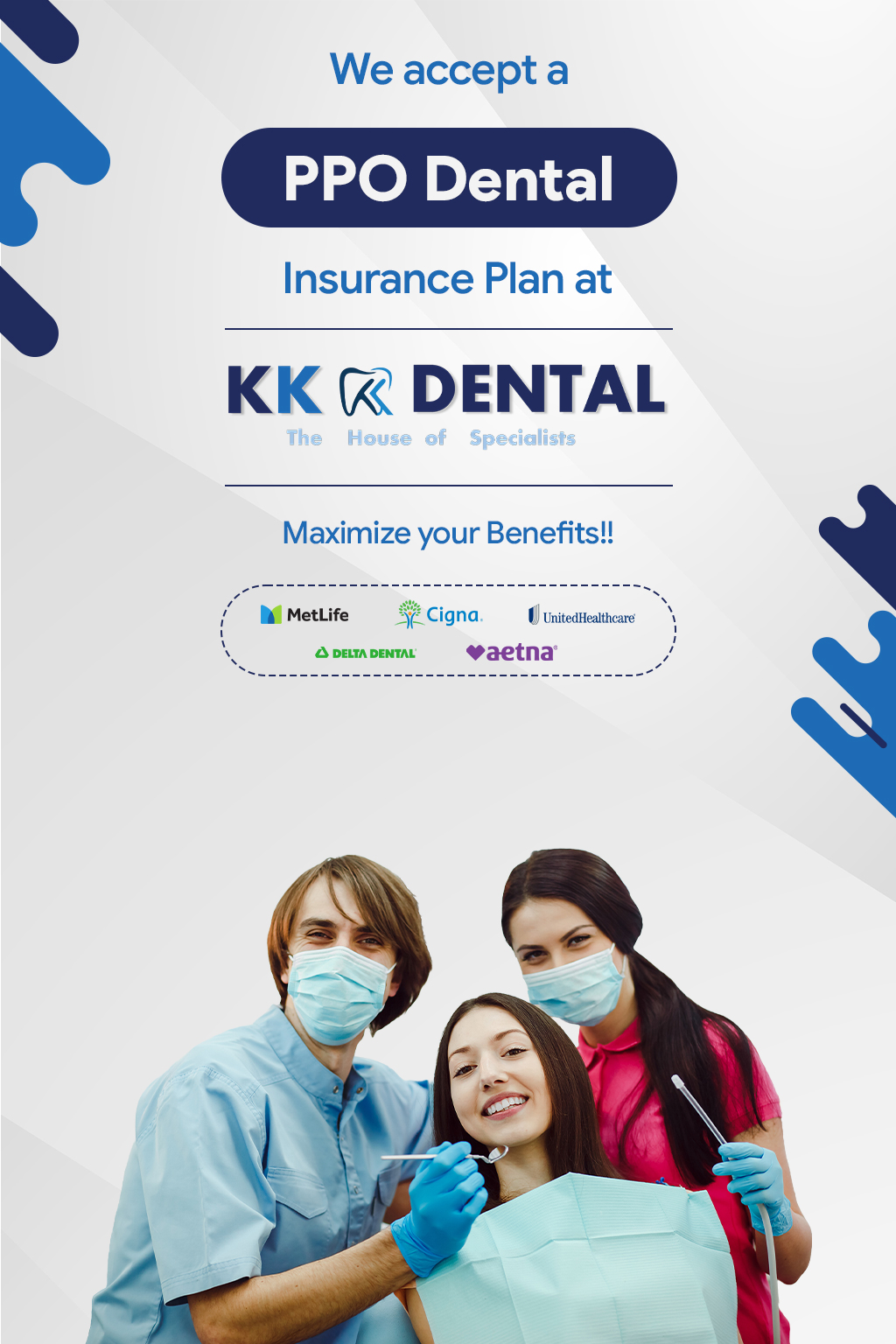
What Is PPO Dental Insurance and How Does It Work for Patients?

Dental insurance can feel confusing, especially when you are trying to understand different plan types. One of the most common options patients encounter is PPO dental insurance. While many people have heard the term, fewer truly understand how these plans work, what they cover, and what to expect when visiting a dental office.

This guide explains PPO dental insurance in simple terms, how it functions in real-life dental visits, and why it remains a popular choice for many patients.

What Does PPO Dental Insurance Mean in Simple Terms?

A PPO, or Preferred Provider Organization, dental plan is a type of insurance that allows patients to choose from a whole network of dentists while still offering flexibility to see providers outside the network if needed.

In simple terms, PPO plans:

  • Offer a list of preferred, in-network dentists
  • Allow patients to see out-of-network dentists at a higher cost
  • Share costs between the patient and the insurance company

Many patients searching for a PPO dentist near me choose these plans because they balance affordability with provider choice.

How Do PPO Plans Work at a Dental Office?

When you visit a dental office with a dental PPO plan, the process typically begins with verifying your insurance benefits. The dental team checks what services are covered, what percentage the plan pays, and whether any deductibles apply.

Once treatment is completed:

  • The dental office sends the claim to your insurance company for processing
  • The insurance company processes the claim
  • Payment is sent according to your plan’s coverage rules

The patient is responsible for any balance left not covered by the plan, such as deductibles, copayments, or coinsurance.

In-Network vs. Out-of-Network Basics

Understanding the difference between in-network and out-of-network providers is essential with PPO plans.

In-network dentists have agreed to contracted fees with the insurance company. This usually means:

  • Lower out-of-pocket costs for patients
  • Predictable pricing
  • Reduced overall treatment costs

Out-of-network dentists do not have contracted rates, which may result in:

  • Higher patient responsibility
  • Insurance covering a smaller portion
  • Additional balance billing

That flexibility is one reason a dental PPO plan appeals to patients who want options without being locked into a single provider.

Why Are PPO Plans Popular Among Patients?

PPO plans are widely used because they offer a balance between cost control and freedom of choice. Patients appreciate being able to change dentists without changing insurance plans.

Key reasons PPO plans are popular include:

  • Larger dentist networks
  • Partial coverage for out-of-network visits
  • No referral requirements
  • Broad coverage for preventive services

For patients who value flexibility, PPO insurance often feels more practical than more restrictive plan types.

How Do PPO Plans Differ From Cash-Paying Visits?

Patients paying out of pocket without insurance typically pay the full cost of treatment at the time of service. While this can sometimes simplify billing, it also means there is no contribution from an insurance provider.

With PPO insurance:

  • The insurance company helps cover a part of the cost
  • Preventive care can be covered at a higher percentage
  • Patients receive negotiated rates when seeing in-network providers

Understanding how PPO dental insurance works helps patients decide whether using insurance or paying cash makes more sense for their situation.

What Do Patients Receive After Insurance Is Billed?

After a dental claim is processed, patients receive a document called an Explanation of Benefits, often referred to as an EOB. This is not a bill but a summary of how the claim was handled.

An EOB typically shows:

  • The total cost of treatment
  • The amount covered by insurance
  • Any discounts applied
  • The remaining patient responsibility

This transparency helps patients understand exactly how their PPO plan applied to their visit.

Common PPO Terminology Patients Should Understand

Dental insurance paperwork often includes unfamiliar terms. Understanding a few key ones can make PPO plans easier to navigate.

Common terms include:

  • Deductible: This is the amount you must pay before insurance coverage begins
  • Coinsurance: The percentage of costs shared between you and the insurer
  • Annual maximum: The total amount insurance will pay in a year
  • Allowed amount: The maximum fee insurance recognizes for a service
  • Waiting period: The time before certain services become covered

Knowing these terms can help patients feel more confident when reviewing benefits and treatment estimates.

Final Thoughts on PPO Dental Insurance

PPO dental insurance remains one of the most flexible and widely accepted coverage options available. By offering choice, shared costs, and broad access to dental care, PPO plans continue to meet the needs of many patients.

Understanding how these plans work empowers patients to make well-informed decisions about their oral well-being and finances. At KK Dental, the focus is on helping patients clearly understand their insurance benefits so they can focus on getting the care they need with confidence.

Dental Braces Tightening/Appointments in North Brunswick: What Happens Each Visit?

If you’re wearing braces, every appointment plays a vital role in your treatment journey. Each visit isn’t just about “tightening”, it’s about progress, precision, and keeping your smile on track. Whether you’re new to orthodontics or midway through treatment, understanding what happens during these visits helps you feel more confident and prepared when scheduling your dental braces near you.

Why Regular Braces Tightening Is Necessary

Braces move your teeth gradually, using gentle, consistent pressure. Over time, the wires and elastics that guide your teeth lose a bit of tension. Regular tightening appointments restore that steady pressure and ensure your teeth continue shifting as planned.

Skipping or delaying these visits can slow progress or even cause your teeth to drift back toward their original positions. Most patients visit their orthodontist every 4 to 6 weeks, but the exact timing depends on their treatment plan and how their teeth respond.

What Your Orthodontist Checks at Each Visit

Before any adjustments, your orthodontist performs a quick but thorough evaluation. This step ensures your braces are working correctly and your mouth stays healthy. Here’s what’s typically checked:

  • Tooth movement: The orthodontist compares your current tooth alignment with your previous visit to assess progress.
  • Wire position: They verify that the archwire, the main wire connecting your brackets, is seated properly and hasn’t slipped.
  • Bracket integrity: Broken or loose brackets are repaired immediately.
  • Oral hygiene: Plaque buildup around braces can slow tooth movement and increase cavity risk, so your cleaning habits are reviewed.
  • Comfort check: You’ll be asked about any soreness or wire irritation so adjustments can be made on the spot.

This evaluation ensures every adjustment is both effective and comfortable, setting the stage for your next step.

How Wires, Bands, or Elastics Are Adjusted

The phrase “tightening your braces” can sound intimidating, but it’s a straightforward process that typically takes 20–30 minutes. These tooth braces services are designed to gently guide your teeth into better alignment while ensuring comfort and steady progress.

  1. Archwire Replacement or Adjustment

The orthodontist removes the small elastic ties holding the wire to your brackets, then either repositions or replaces the wire. New wires are usually slightly thicker or more flexible, depending on your treatment phase.

  1. Elastic Band Changes

The small colored elastics that secure your wire may be replaced. Some patients also wear interarch rubber bands (connecting top and bottom braces) to help correct bite alignment.

  1. Fine-Tuning and Comfort Adjustments

The orthodontist trims excess wire to prevent it from poking your cheeks and ensures everything feels smooth.

Each adjustment is carefully planned. Even small wire changes can have a big impact on tooth movement over the next few weeks.

Managing Soreness or Pressure After the Appointment

It’s normal to feel mild pressure or tenderness for a day or two after tightening. This discomfort is a sign your braces are working. To manage it:

  • Eat soft foods like yogurt, pasta, or soups for a couple of days.
  • Use a warm saltwater rinse to calm sore or irritated gums.
  • Apply orthodontic wax over any brackets or wires that feel sharp.
  • Take an over-the-counter pain reliever if needed (always as directed).

Most patients find the soreness fades within 48 hours. If you experience lasting soreness, swelling, or a loose wire, reach out to your orthodontist right away.

What Happens If You Miss or Delay a Tightening

Life gets busy, but delaying your braces appointments can slow or reverse progress. Teeth can begin shifting back toward their original positions if tension isn’t maintained. In some cases, your orthodontist may need to make more significant adjustments later, which could extend your overall treatment time.

If you must reschedule, try to do so within the same week. Staying consistent with your orthodontic visits ensures each phase of treatment builds on the last, keeping your smile on schedule.

Home Care Tips Between Orthodontic Visits

Your braces can only do their best work if you care for them between appointments. Here’s how to maintain your oral health and keep your treatment on track:

  1. Brush after every meal: Keep your braces clean by brushing with a soft-bristled toothbrush and fluoride toothpaste after meals..
  2. Floss daily: Thread floss under your wire using a floss threader or switch to an orthodontic flosser.
  3. Avoid sticky or hard foods: Caramel, popcorn, and hard candy can bend wires or break brackets.
  4. Wear elastics as directed: Consistent wear helps correct your bite faster.
  5. Rinse regularly: Rinse with a fluoride mouthwash to keep enamel strong and fight plaque buildup..
  6. Inspect your braces: Check for loose parts or poking wires and call your orthodontist if something feels off.

Maintaining excellent oral hygiene between visits ensures smoother adjustments and better long-term results.

Schedule Your Next Braces Adjustment in North Brunswick Today

Each tightening visit brings you one step closer to the confident, healthy smile you’ve been waiting for. Regular orthodontic care ensures steady progress and helps your teeth stay aligned for life.

If it’s been more than six weeks since your last adjustment or if you’re noticing loose wires or discomfort, don’t wait. Contact your trusted dentist in North Brunswick Township, NJ, to schedule your next visit.

At KK Dental – North Brunswick, our team ensures every braces appointment is comfortable, precise, and personalized. Whether you’re new to orthodontics or continuing care, we’re here to keep your treatment moving smoothly and your smile shining bright.

Adjusting to New Dentures: Tips for Edison Residents

What to Expect in the First Few Days with New Dentures?

Getting new dentures is a big step toward restoring your smile, but it also comes with an adjustment period. During the first few days, your mouth, gums, and tongue will need some time to adjust to the feeling of your dentures. You may notice slight soreness or extra saliva production at first — both are normal signs that your mouth is learning to accommodate your new appliance.

It’s normal to feel that your dentures are a bit large or may shift slightly when you talk or eat. Don’t worry — as your facial muscles adapt, this sensation will fade. Try practicing speech by reading aloud or talking to a friend to help your mouth adjust faster.

If you experience any persistent rubbing or discomfort, schedule a quick visit to your dentist in Edison, NJ. They can make small adjustments to ensure your dentures fit comfortably and securely.

Eating and Speaking Comfortably with Dentures

Eating and speaking are often the biggest challenges when first adjusting to dentures. Start with soft food items such as mashed potatoes, yogurt, eggs, or soup before gradually introducing firmer textures. Cut food into smaller bites and chew evenly on both sides of your mouth to keep your dentures stable.

Avoid too sticky or hard foods during the initial weeks, as they can loosen your dentures or cause sore spots. With time, your confidence will grow and you’ll be able to enjoy your favorite meals again.

Certain words may sound awkward at first when you speak. Practicing daily speech exercises — such as repeating words that use “s” or “th” sounds — can help improve pronunciation and comfort. Remember, every day your dentures will feel more natural.

Managing Soreness and Irritation During the Adjustment Phase

A little soreness is expected in the early days of wearing dentures. The gum tissue beneath your dentures is adjusting to new pressure points and movements. To minimize discomfort, try:

  • Rinsing with warm salt water: This really helps soothe irritated spots.
  • Removing dentures periodically: Giving your gums a short break can ease tenderness.
  • Applying a mild adhesive: It can help stabilize your dentures and reduce friction.

If you experience sharp pain, open sores, or irritation lasting more than a few days, contact your dentist in Edison, NJ. They can refine the fit or check for pressure spots that may need relief.

Your comfort is key during this stage — patience and minor adjustments go a long way toward making your new dentures feel natural.

Cleaning and Storing Dentures the Right Way

Proper cleaning keeps your dentures looking great and your mouth healthy. Make it part of your daily routine to:

  1. Rinse after meals: Wash away food particles with lukewarm water.
  2. Brush gently: Use a soft denture brush and non-abrasive cleanser (avoid toothpaste).
  3. Soak overnight: Keep your dentures in water or a dentist-approved soaking solution to prevent them from drying out.
  4. Clean your gums and tongue: Use a soft toothbrush to remove bacteria and maintain fresh breath.

Avoid using too hot water to clean your dentures, as it can warp their shape. Following a steady cleaning schedule helps prevent staining and extends the life of your full and partial dentures.

When to Visit Your Dentist for Adjustments

Even well-made dentures may need small adjustments from time to time. If your dentures feel loose, click when you talk, or rub against your gums, visit your dentist right away. Avoid trying to fix them at home — doing so can damage the structure or affect their fit.

Your dentist will carefully reshape or reline your dentures to restore comfort and stability. Routine six-month visits are recommended — just like with natural teeth — so your dentist can check your oral health and make any needed adjustments early.

Routine visits every six months allow your dentist to ensure your oral tissues remain healthy and your dentures continue to function as intended.

Habits That Help Dentures Last Longer

Good habits will not only keep your dentures in top shape but also protect your oral health. Follow these tips for long-term success:

  • Handle them carefully: Always clean dentures over a soft towel or bowl of water in case you drop them.
  • Avoid harsh cleansers: Bleach and household cleaners can weaken denture materials.
  • Keep them moist: Soaking overnight prevents them from becoming brittle.
  • Maintain oral hygiene: Clean your mouth daily, even when not wearing dentures.
  • Visit your dentist regularly: Routine exams keep both your dentures and gums in great shape.

With proper care, professional dentures services near you can help you maintain a secure, confident smile for years.

Book a Follow-Up Visit in Edison to Make Your Dentures More Comfortable

Every smile is unique — and every denture experience is, too. A follow-up appointment allows your dentist to fine-tune the fit and check how your gums are responding. Most patients find that a few minor adjustments make a big difference in comfort and function.

If your dentures feel uncomfortable or loose, don’t wait — schedule an appointment right away. Professional care helps you keep smiling, eating, and speaking comfortably each day.

When it comes to long-term comfort, proper fit and maintenance matter as much as patience. The experienced team at KK Dental Edison is dedicated to helping you adjust smoothly and enjoy your dentures with confidence and care.

What Are the Advantages of Same-Day Crowns for Cosmetic Dentistry?

Cracked, worn, or discolored teeth can impact your smile and confidence. With same-day dental crown treatment near you, you can restore both beauty and function in just one visit. Using digital scanning and in-office milling, your dentist creates a precise, natural-looking crown that blends seamlessly with your teeth, saving time while protecting your overall oral health.

How Same-Day Crowns Are Revolutionizing Cosmetic Dentistry

Cosmetic dentistry balances beauty with biomechanics. Same-day crowns elevate both by pairing digital planning with chairside fabrication. Because you leave with your definitive restoration, there’s no temporary crown to crack or dislodge, fewer opportunities for contamination between visits, and less risk of temperature sensitivity while you wait.

The dentist can refine shape, contact points, and bite on the spot, which improves comfort and helps protect opposing teeth from uneven wear. For many adults, it’s the rare cosmetic upgrade that is also highly practical.

The Technology Behind Same-Day Crowns: A Look at the Process

Modern chairside systems integrate impression-taking, design, and manufacturing in one visit:

  1. 3D Imaging: An intraoral scanner captures detailed digital impressions—no trays or putty, recording tooth anatomy and bite relationships.
  2. CAD Design: Your dentist fine-tunes contours, contacts, and occlusion on-screen, referencing your adjacent teeth for natural proportions and shade.
  3. CAM Milling & Finishing: A ceramic block (often lithium disilicate) is milled in minutes, then stained, glazed, and polished for lifelike translucency before being bonded securely to the tooth.

This closed-loop workflow supports accuracy, reduces remakes, and enables same-day smile improvements.

Time-Saving Benefits: Why Same-Day Crowns Are Perfect for Busy Schedules

Life rarely pauses for dental work. Same-day crowns condense what used to take two or three appointments into one. You avoid coordinating childcare twice, taking additional time off, or arranging multiple commutes. Skipping a temporary crown also reduces the chance of emergency visits caused by looseness or breakage. With anesthesia administered once and the final crown delivered the same day, you gain back hours, sometimes weeks, of time. For frequent travelers or professionals with tight calendars, this convenience can be the deciding factor.

The Aesthetic Appeal of Same-Day Crowns: Perfect Fit and Natural Look

Contemporary ceramics are engineered to mimic enamel’s color and light transmission. Digital shade selection and on-site customization allow your dentist to match neighboring teeth, adjust surface texture, and refine luster so the crown blends in, not stands out. Because the design references your exact bite, contact points can be tuned to prevent food trapping and to support clear speech. The outcome is a crown that looks and feels like a natural tooth, not bulky, not overly bright, ready for photos, meetings, and meals the same day.

How Same-Day Crowns Reduce the Need for Multiple Appointments

Traditional crowns involve impressions, lab shipping, and a return visit for placement. Chairside systems bring all steps under one roof: scan, design, mill, and bond, often within a few hours. That means:

  • No temporary crown (fewer emergencies and less sensitivity).
  • No second injection to remove a temporary and cement the final.
  • Immediate feedback so fit, bite, and color can be refined on the spot.

For patients comparing same-day tooth crown services, this efficiency often translates to fewer disruptions and a smoother overall experience from start to finish.

Durability and Quality: Are Same-Day Crowns as Reliable as Traditional Ones?

When case selection and technique are appropriate, chairside crowns are highly reliable. Many are made from lithium disilicate ceramics, valued for strength, esthetics, and bondability. Longevity depends on:

  • Precise design and fit: Balanced bite forces and sealed margins protect tooth and crown.
  • Home care: Twice-daily brushing, daily interdental cleaning, and fluoride use as advised.
  • Protective habits: Wear a nightguard if you grind or clench; avoid chewing ice or hard objects.

Limitations exist. Deep fractures below the gumline, insufficient tooth height, or complex layering needs may warrant a lab-fabricated crown or a different material. Your dentist will explain trade-offs and help you choose the right plan for your tooth and timeline.

Ready for a New Smile? Book Your Same-Day Crown Appointment Today!

If a worn, cracked, or discolored tooth is holding you back, a same-day crown can restore comfort and confidence with minimal downtime. A brief visit includes a digital scan, custom design, and final placement, often in one session. To align treatment with your goals and schedule, consult a dentist in Somerset, NJ at KK Dental, who offers comprehensive cosmetic planning and clear aftercare. With us, patients receive attentive diagnostics and efficient, same-day solutions tailored to long-term oral health.

Gum Disease and Diabetes: How Managing Both Can Improve Your Health

Gum disease and diabetes often feed into each other, making both tougher to control. High blood sugar weakens your body’s defenses against infection, while gum inflammation can raise glucose levels. When you understand this link, you can act sooner, make daily changes, and keep your gums and blood sugar in better balance.

Understanding the Relation Between Diabetes and Gum Disease

The tissues that support your teeth can get infected over time with gum disease, also known as periodontal disease. With diabetes in the mix, it can progress faster and respond more slowly to treatment. Elevated glucose fuels bacterial growth, and gum inflammation can interfere with how insulin works.

Quick facts about the connection:

  • People with diabetes are up to three times more likely to develop gum disease.
  • Treating gum infection can help lower HbA1c levels, a key measure of long-term blood sugar.
  • Ignoring gum inflammation may make other diabetic complications harder to manage.

Managing both keeps your immune system steadier and cuts down on whole-body inflammation, helping you feel better overall.

How Diabetes Affects Your Gum Health and Increases the Risk of Gum Disease

When blood sugar stays high, it affects your gums’ ability to heal. Thickened blood vessels reduce oxygen flow, and bacteria multiply more easily. Plaque then hardens into tartar, irritating gum tissue and causing redness or bleeding.

If you start seeing these signs, book a check-up soon rather than waiting. Professional oral gum treatment services can help by:

  • Clearing bacteria and hardened deposits from areas beneath the gums.
  • Using medicated rinses to calm inflammation
  • Supporting faster healing and gum re-attachment

Combined with balanced glucose control and steady brushing habits, these steps protect the bone and tissue around your teeth.

Why Managing Gum Disease Can Help You Better Control Your Diabetes

Gum infection can quietly affect blood sugar by triggering inflammation throughout your system. The body releases cytokines, chemicals that make insulin less effective, so even good dietary control may not be enough.

Treating gum disease may help you:

  • Reduce inflammation and improve insulin sensitivity
  • Experience steadier glucose readings
  • Feel more comfortable when eating and brushing.
  • Preserve strong, healthy teeth for balanced nutrition.

Keeping both in check works both ways; steady gums make blood sugar easier to manage, and balanced glucose helps gums heal faster.

The Impact of Poor Gum Health on Blood Sugar Levels and Overall Wellness

Ongoing gum infection acts like a constant drain on your immune system. Gum inflammation bacteria have the ability to enter the circulation and increase stress hormones, which results in rises in blood sugar levels. Over time, that extra strain can contribute to heart problems, kidney issues, or slower healing after surgery.

When you visit a dentist in North Brunswick Township, NJ, they’ll check gum pocket depth, tissue tone, and bone levels using modern digital imaging. Early detection means easier treatment and fewer long-term effects.

Possible complications of untreated gum disease:

  • Persistent tiredness from elevated glucose
  • Difficulty healing after dental or medical procedures
  • Increased risk of heart and circulation problems

Steps You Can Take to Manage Both Gum Disease and Diabetes Effectively

Caring for your gums and diabetes takes steady effort, but those small routines bring lasting results. Here’s what to focus on each day:

Daily habits that help:

  1. Twice each day, brush carefully with a soft-bristled brush and fluoride-based toothpaste.
  2. Floss or use interdental brushes to clear plaque between teeth.
  3. Rinse with an antimicrobial mouthwash if your dentist recommends it.
  4. Track your blood sugar and share changes with your healthcare team.
  5. Eat balanced meals with fiber-rich vegetables and lean proteins.
  6. Stay hydrated and avoid smoking, which slows healing.

At the dental office:

  • Schedule cleanings every three to four months to remove tartar.
  • Ask about scaling and root planing if gums bleed or pockets deepen.
  • Follow up on checkups to monitor gum stability and healing.

When your mouth stays free of infection, your body manages blood sugar more easily. These healthy patterns also freshen breath, protect enamel, and make eating more comfortable.

Gum Disease Symptoms to Look Out for If You Have Diabetes

Because gum problems can progress quietly, pay attention to small changes in your mouth. Early warning signs include:

  • Red, swollen, or tender gums
  • Bleeding during brushing or flossing
  • Persistent bad breath or a metallic taste
  • Gum recession or teeth that shift slightly
  • Pain or pressure when biting

If you notice any of these issues, arrange gum treatment near you promptly. Quick care can stop infection before it harms bone support or complicates blood sugar control.

Take Control of Your Health—Schedule a Consultation to Manage Gum Disease and Diabetes Today!

When your gums stay healthy, blood sugar control usually feels smoother, and everyday comfort improves too. Addressing inflammation early helps protect your teeth, heart, and overall energy. For compassionate guidance and advanced gum therapy, schedule a visit with KK Dental – North Brunswick. Our team works with you to manage gum disease and diabetes together so you can stay healthier and more confident every day.

What You Should Know About Oral Cancer Screenings: Myths vs. Facts

Oral cancer can begin silently, showing tiny changes on the tongue, lips, or cheeks that are easy to overlook. A quick screening helps detect these early signs before they become serious. Scheduling oral cancer screening treatment near you helps catch potential issues early, when treatment works best. This guide clears up common myths and explains what to expect at your next dental visit.

Understanding Oral Cancer: Why Early Detection Is Crucial

Early detection can make a major difference. During a screening, your dentist checks for lasting sores, color changes, thickened spots, or tenderness. Your dentist also reviews habits and history, like tobacco use, alcohol, HPV, past oral cancer, or sun exposure to the lips. Even if everything feels normal, a yearly check helps find subtle changes early, when care is simpler and outcomes are better.

Key benefits of early detection:

  • Quicker diagnosis and prompt follow-up
  • Simpler, more conservative treatment
  • Better chance of maintaining natural speech and appearance
  • Peace of mind knowing your mouth is healthy.

Common Myths About Oral Cancer Screenings Debunked

Myth 1: “Only smokers need screenings.”

Fact: While smoking raises risk, many diagnosed patients never smoked. Everyone benefits from regular checks.

Myth 2: “If I have no symptoms, I’m fine.”

Fact: Early lesions can be painless and easy to miss. Screenings help find problems you might not notice.

Myth 3: “Screenings are painful.”

Fact: The exam is gentle and noninvasive. Most people feel only light pressure.

Myth 4: “Screenings take too long.”

Fact: The process fits easily into your regular cleaning or exam appointment.

Myth 5: “A screening means I have cancer.”

Fact: Screenings check for changes. If something looks unusual, your dentist may monitor or refer you for further evaluation.

The Truth About Who Should Get an Oral Cancer Screening

Most adults benefit from an annual screening. You may need more frequent checks if you:

  • Use tobacco or vape
  • Drink alcohol regularly
  • Have HPV or a history of oral lesions
  • Spend lots of time outdoors without lip protection.
  • Notice a sore or lump that lasts longer than two weeks.

If you’re looking for oral cancer screening services, ask if your dentist includes screenings as part of routine exams and how they track any changes over time.

What Happens During an Oral Cancer Screening? A Step-by-Step Overview

  1. Health review: Your dentist takes note of any symptoms and updates your medical history.
  2. Neck and jaw check: Gentle palpation helps detect swelling or tenderness.
  3. Lip and cheek exam: The inner lips and cheeks are inspected for color changes or thickened tissue.
  4. Tongue exam: The top, sides, and underside of the tongue are checked for lumps or ulcers.
  5. Floor of mouth and palate: The dentist looks for firmness or irregular areas.
  6. Throat view: A small light helps visualize the tonsil area and the back of the mouth.
  7. Documentation: Any areas of concern are recorded and photographed if needed.
  8. Follow-up: Your dentist may recheck in a few weeks or refer you to a specialist.

The exam is quick and comfortable. Its goal is to spot early changes, not to give an immediate diagnosis.

How Oral Cancer Screenings Can Save Lives: The Importance of Regular Checkups

Routine checkups create a record your dentist can compare over time. If a spot persists or grows, you’ll be referred for prompt evaluation. Many harmless conditions mimic early cancer signs, like canker sores or irritation from sharp teeth. Regular screenings ensure these are monitored carefully instead of being missed.

Oral Cancer Symptoms and Signs: When to Get Screened

Contact your dentist if you notice any of the following lasting more than two weeks:

  • A sore or patch (red, white, or mixed) that doesn’t heal
  • A lump or thick spot inside the mouth or on the lip
  • Unexplained bleeding, numbness, or discomfort
  • Persistent hoarseness or sore throat
  • Trouble chewing, swallowing, or moving your tongue
  • Changes in bite or denture fit

These symptoms don’t confirm cancer; they’re just a reason to get checked.

Practical Tips to Lower Risk

  • Avoid tobacco and limit alcohol.
  • Use lip balm with SPF when outside.
  • Keep up with regular dental exams and screenings.
  • A diet high in fruits and vegetables should be consumed.
  • Report any sores, lumps, or color changes that persist.

Don’t Wait—Schedule Your Oral Cancer Screening Today for Peace of Mind!

A screening takes only minutes and fits right into your routine checkup. If anything unusual appears, your dentist will set a simple follow-up plan to keep you informed and protected. For comfortable, thorough care that fits your routine, visit a dentist in Edison, NJ who provides detailed exams and clear guidance. At KK Dental Edison, you’ll receive a gentle, detailed screening and clear next steps if anything needs follow-up, helping you leave with peace of mind.

The Benefits of Choosing Same-Day Dental Crowns Over Traditional Crowns

When it comes to reinstating your smile, choosing the right type of dental crown can create a big difference. At KK Dental in Somerset, NJ, we offer advanced options like same-day crowns, allowing you to get a high-quality restoration in a single visit. In this post, we will explore why many patients are now opting for this innovative solution over traditional crowns and how it could benefit you.

What Makes Same-Day Crowns Different from Traditional Crowns?

Traditional crowns typically require two visits: one for impressions and the preparation of the tooth, and another for placing the crown. On the other hand, the process for same-day crowns is streamlined using advanced technology that allows for the design, creation, and placement of the crown in just one appointment. This eliminates the need for temporary or short-term crowns and reduces the waiting period for a permanent restoration.

How Do Same-Day Crowns Save Time?

One of the major advantages of same-day crowns is the convenience. Instead of multiple dental appointments, you can complete the entire procedure in a single visit. This means less time spent in the dental chair and fewer disruptions to your busy schedule. Whether you’re working or managing a family, same-day crowns fit perfectly into your day-to-day life in Somerset, NJ.

Are Same-Day Crowns Durable?

Yes! Same-day crowns are made from top-quality materials such as porcelain or ceramic, just like traditional crowns. These materials are strong, durable, and designed to last many years. With proper care, such as timely brushing and flossing, the longevity of your crown can be comparable to traditional options, ensuring you enjoy both functionality and aesthetics for years to come.

What About Comfort and Fit?

Traditional crowns often require multiple fittings to ensure proper fit and bite. This process can involve discomfort as adjustments are made. With same-day crowns, however, the process is precise from the start. Using CAD/CAM technology, the crown is designed and created with accuracy, ensuring a better fit from day one. You won’t need to wear temporary crowns or experience the discomfort of adjustments later on.

How Can Same-Day Crowns Improve Your Experience?

Not only do same-day crowns save you time, but they also offer a more comfortable experience. With no need for temporary crowns, you avoid the discomfort of wearing something that doesn’t quite fit. Plus, the advanced technology used ensures that the crown fits perfectly, which means less chance for discomfort after the procedure. The result? A smoother, more enjoyable dental experience.

Are Same-Day Crowns More Expensive?

While the cost of same-day crowns can be higher than traditional ones in some cases, many patients searching for a dentist 08873 find that the benefits often outweigh the price difference. You save time, avoid extra visits, and get a high-quality crown in one appointment. Additionally, at KK Dental, we offer various payment options and financing plans to help you take care of the cost, making it an affordable solution for many patients in Somerset, NJ.

How Do Same-Day Crowns Help You Maintain Your Routine?

With no need for multiple appointments, same-day crowns are a great option for those with busy schedules. Whether you’re a professional, parent, or student, you don’t have to worry about taking several days off work or school to complete your dental restoration. The one-visit nature of this procedure helps you get back to your routine quickly, without the interruption of repeated dental appointments.

Why Choose KK Dental in Somerset, NJ?

At KK Dental, we use the latest technology and techniques to offer same-day crowns that fit your specific needs. Our goal is to provide you with a fast, effective, and comfortable experience, ensuring you leave our office with a beautiful, durable restoration. We are dedicated to helping our patients in Somerset, NJ, get the best dental care in the least amount of time.

Conclusion: Are Same-Day Crowns Right for You?

If you’re looking for a dentist near me and want a quick, convenient, and durable solution for your dental restoration, same-day crowns could be the right choice. Not only do they offer significant time savings, but they also ensure a perfect fit and high-quality results that last. Contact KK Dental today to schedule a consultation and find out how we can help restore your smile in just one visit.

Why Same-Day Crowns Are the Fastest Solution for Damaged Teeth

Modern life leaves little room for delays, especially when it comes to dental care. A damaged tooth can affect comfort, confidence, and daily routines. Traditional crowns often require multiple appointments, but there is now a faster alternative. Same-day crowns provide long-term protection, a natural look, and peace of mind—all in one appointment.

The Problem With Traditional Crowns

For many years, getting a crown meant a long process. First, the dentist shaped the tooth and took impressions using sticky putty. A temporary crown was placed while a lab created the permanent one. Patients waited two or three weeks, often worrying about the temporary crown coming loose.

This waiting period was inconvenient, stressful, and sometimes risky for already weakened teeth.

What Makes Same-Day Crowns Different

Same-day crowns use advanced imaging and milling technology to design and create a custom crown right in the dental office. A digital scanner captures a 3D image of the tooth, which is used to curate the design of the crown on a computer. A milling machine then carves the crown from a ceramic block that matches the natural tooth color.

Patients leave the office with their permanent crown the same day. There are no temporary crowns, no return visits, and no waiting.

How Technology Ensures Precision

The system relies on CAD/CAM technology, which stands for computer-aided design and computer-aided manufacturing. The process includes:

  • Digital scans that remove the need for messy impressions
  • Customized crown design to match natural shape and bite
  • Milling from durable ceramic for strength and longevity
  • Polishing and fitting for a smooth, natural appearance

This approach ensures accuracy, comfort, and reliable results, all in a single visit.

Why Speed Matters

Quick treatment is about more than convenience. A tooth requiring a crown is already weakened and at greater risk of further damage. Delaying the restoration can increase the risk of cracks, infection, or sensitivity. With same-day dental crown treatment, the tooth is protected immediately.

Completing everything in one visit also reduces stress for dental patients who feel anxious about dental care.

Same-Day vs. Lab-Made Crowns

Traditional crowns:

  • Multiple visits
  • Temporary crown required
  • Weeks of waiting for the permanent crown

Same-day crowns:

  • One visit
  • No temporary crown
  • Immediate protection and restored function

This difference explains why many patients choose same-day care.

Who Benefits Most

Most dental patients who need a crown can benefit from this option. Same-day crowns are especially convenient for:

  • Busy parents and professionals
  • Patients who travel long distances to the office
  • Individuals looking for faster, reliable relief

The Role of CEREC in Modern Dentistry

Many patients ask about CEREC same-day crowns and whether they are dependable. CEREC has been trusted in dentistry for more than 30 years. The technology continues to improve with better scanning, design software, and milling systems.

CEREC crowns provide strength, comfort, and a natural look, all while saving time. By combining digital precision with in-office milling, patients receive reliable results without weeks of waiting.

Local Convenience in Somerset

Finding a dentist in Somerset, NJ, who offers this service means you do not have to choose between convenience and quality. At KK Dental Somerset, patients benefit from advanced crown technology and a team dedicated to making the process smooth, efficient, and comfortable.

Life After a Same-Day Crown

Once the crown is placed, patients can eat, smile, and speak with confidence immediately. Some mild sensitivity may occur for a short time, but it usually resolves quickly. With daily brushing, flossing, and routine dental office visits, same-day crowns last as long as traditional ones.

The Bigger Picture

Healthy teeth support more than just appearance. They allow patients to chew properly, maintain nutrition, and speak clearly. Leaving a damaged tooth untreated may increase the risk of oral infections and affect overall well-being. Choosing same-day crowns helps protect both oral health and general wellness.

Final Thoughts

Same-day crowns show that dentistry can be fast, effective, and reliable. In just one appointment, patients receive a restoration that looks natural and protects their smile for years to come.

At KK Dental Somerset, our experienced team uses advanced technology to provide crowns that feel comfortable and last. If you have a cracked, worn, or broken tooth, schedule a consultation today with a dentist near me and discover how one visit can restore your smile and confidence.

Call Now Book Appointment
Click to listen highlighted text!