

Orthodontics in North Brunswick, Somerset, and Edison, NJ
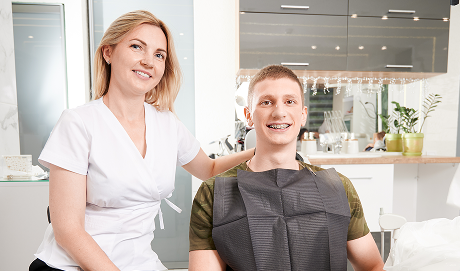
Crowded, crooked, or widely spaced teeth can affect how the teeth fit together and may make some areas harder to keep clean. Orthodontic care focuses on improving tooth position and bite relationships through treatment planned around individual needs.
At KK Dental, patients are evaluated based on their tooth alignment, bite, oral health, and treatment goals. Depending on the findings, care may involve braces, removable aligners, or another suitable approach.
What Concerns Can Orthodontic Care Address?
Orthodontic problems can involve individual tooth positions, available space, or the way the upper and lower teeth meet.

Crowded Teeth
Limited space can cause teeth to overlap, rotate, or erupt outside their expected positions.

Crooked Teeth
Teeth that sit at uneven angles may affect overall alignment and make certain surfaces more difficult to clean.

Gaps And Spacing
Spaces may develop because of tooth size, jaw size, missing teeth, or differences in tooth position.

Overbite
Some overlap of the front teeth is normal. Excessive overlap may need evaluation when it affects the bite or surrounding oral structures.

Underbite
An underbite is a bite misalignment where the bottom front teeth rest farther forward than the top front teeth when biting down.

Crossbite
This type of bite problem causes certain top teeth to rest on the inner side of the bottom teeth when biting down.

Open Bite
With an open bite, a visible space remains between specific upper and lower teeth even when the jaws are fully closed.

Teeth That Have Shifted
Teeth may change position over time, including after previous orthodontic care. An evaluation can determine whether additional care should be considered.
Choosing An Orthodontic Treatment
Treatment is selected according to the type of alignment concern, bite relationship, oral health, age, and tooth movement required. Two commonly considered approaches are fixed braces and removable clear aligners.
Traditional Braces
Braces gradually guide teeth into planned positions through steady pressure from a fixed system of brackets and wires. They may be considered for:
- Crowded or crooked teeth
- Spaces between teeth
- Certain bite concerns
- More involved tooth movements
- Patients who may benefit from a fixed appliance
Brushing and flossing carefully around brackets and wires is important throughout treatment.

Clear Aligner Therapy
Clear aligners use a planned series of removable trays to gradually reposition teeth. Invisalign and SureSmile are among the practice's current offerings.
Aligners may be considered for patients who prefer:
- A less noticeable appliance
- Removable trays during meals
- Easier access for brushing and flossing
- An alternative to fixed appliances when appropriate
Consistent wear is necessary to support planned tooth movement.

Braces Or Clear Aligners: How Do They Differ?
| Feature | Fixed Braces | Removable Aligners |
|---|---|---|
| Design | Brackets and wires | Custom trays |
| Removal | Fixed in place | Removable |
| Appearance | More visible | Less noticeable |
| Meals | Food precautions may apply | Removed while eating |
| Cleaning | Clean around brackets and wires |
Remove for brushing and flossing |
| Suitability | Broad range of cases | Depends on individual needs |
Choosing between braces and clear aligners depends on the required tooth movements, bite, oral health, and ability to follow treatment instructions.
Orthodontic Care At Different Ages
Children
An early evaluation can identify concerns involving tooth eruption, available space, and developing bite relationships. Some children may only need monitoring rather than immediate care.

Teens
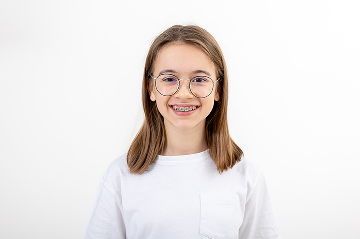
The teenage years are a common time to address crowding, spacing, crooked teeth, and bite concerns with an appropriate fixed or removable appliance.

Adults
Orthodontics for adults may address teeth that have remained misaligned or shifted over time. Treatment suitability depends more on oral health and the required tooth movement than age alone.
What To Expect From Your Orthodontic Consultation
A consultation provides a closer look at tooth position, bite relationships, and overall oral health before treatment is considered. It also gives patients an opportunity to discuss their concerns, expectations, and available options with the dental team.
The evaluation may include:
- Dental and oral health review: Existing dental conditions, previous treatments, and gum health are considered before planning tooth movement.
- Teeth and bite assessment: The assessment looks at individual tooth placement as well as the way the bite fits together.
- Digital dental scans: Digital records may be taken to capture the current shape and position of the teeth and support treatment planning.
- Diagnostic X-rays: When clinically indicated, X-rays can provide additional information about the teeth, roots, bone, and surrounding structures.
- Treatment goals: Patients can discuss concerns such as crowding, spacing, shifting teeth, or bite alignment.
- Available options: Based on the findings, the dental team can explain suitable approaches and what patients can expect during care.

Together, the clinical examination and diagnostic records help determine whether treatment is appropriate and guide a plan based on the patient's individual needs.
How Does The Treatment Process Work?

1. Assessment
The teeth, gums, and bite are examined to identify alignment concerns.

2. Digital Records
Scans or diagnostic images may be collected to provide additional information about tooth positions and bite relationships.

3. Treatment Planning
Clinical findings help determine the appliance and tooth movements appropriate for the individual case.

4. Active Care
The selected appliance guides the teeth toward their planned positions over time, while periodic visits help the dental team monitor changes and modify treatment as necessary.

5. Retention
Retainers are typically used after active care to help maintain corrected tooth positions.
Digital Technology For Treatment Planning
Digital scans can provide detailed three-dimensional records of the teeth and assist with evaluating crowding, spacing, and alignment. When clinically appropriate, cone beam CT (3D) imaging may provide additional information about the teeth, roots, bone, and surrounding structures.

Comprehensive Care From A Multi-Specialty Dental Team
Orthodontic care may sometimes need to be considered alongside other dental needs. The practice provides services across several areas of dentistry, allowing broader oral health concerns to be addressed when appropriate.
- General Dentistry: Includes services such as crowns, bruxism treatment, oral cancer care, veneers, teeth whitening, Invisalign, SureSmile, and braces.
- Endodontic Care: Root canal treatment and endodontic retreatment.
- Gum and Implant Care: Periodontal treatment, scaling and root planing, bone grafting, gum treatment, and ridge preservation.
- Prosthodontics: Dental bridges, dentures, and full-mouth reconstruction.
- Oral Surgery: Extractions, dental implants, wisdom tooth removal, sinus lifts, apicoectomy, osseous surgery, and Cone beam CT (3D) scans.

What Are The Goals Of Orthodontic Care?
Depending on the diagnosis, treatment may be intended to:
- Improve crowded or crooked tooth positions
- Reduce unwanted spaces
- Improve bite relationships
- Create more balanced alignment
- Address teeth that have shifted
- Maintain corrected positions with retainers
Individual outcomes and treatment timelines vary according to the starting condition, required tooth movement, biological response, appliance, and patient cooperation.

Care Across Three New Jersey Communities
Patients looking for an orthodontist near them can access orthodontic care through locations serving North Brunswick, Somerset, and Edison, NJ. Patients can schedule an evaluation to discuss tooth alignment, bite concerns, and suitable treatment options based on their individual needs. Please note that the Edison location is temporarily unavailable for new appointments due to renovations, with new patients currently directed to North Brunswick or Somerset.

Take the Next Step Toward Better Alignment
An orthodontic evaluation is the first step toward understanding your alignment or bite concerns. After assessing your needs, the dental team can explain suitable treatment options, what to expect during care, and how retainers may help maintain the results over time.