

7 Tips To Care For Your Dental Crown

Dental trauma, tooth decay, bruxism, and natural aging are the key factors behind tooth damage. Whether your tooth is decayed, chipped, fractured, discolored, or broken, dental treatment is essential to repair the damage and save your tooth. If not treated promptly, the damage will likely progress, eventually leading to tooth loss and other long-term consequences.

A dental crown may be your best remedy if your tooth has sustained significant damage. Unlike alternative treatments, a dental crown covers the entire visible structure, making it extremely versatile for correcting an array of dental flaws.

What is a Dental Crown?

A crown is a cap-shaped dental restoration that mimics a natural tooth’s shape, size, and color (sometimes). The crown is cemented over a damaged tooth, significantly improving its shape, size, strength, and appearance.

Dental Crown Procedure

To place a dental crown, our Somerset dentist will begin by shaving a part of the tooth’s enamel. Next, impressions of the shaved tooth and other teeth are taken and sent to a dental lab where they make the custom crown. In the meantime, you’ll use a temporary crown to protect the prepared tooth.

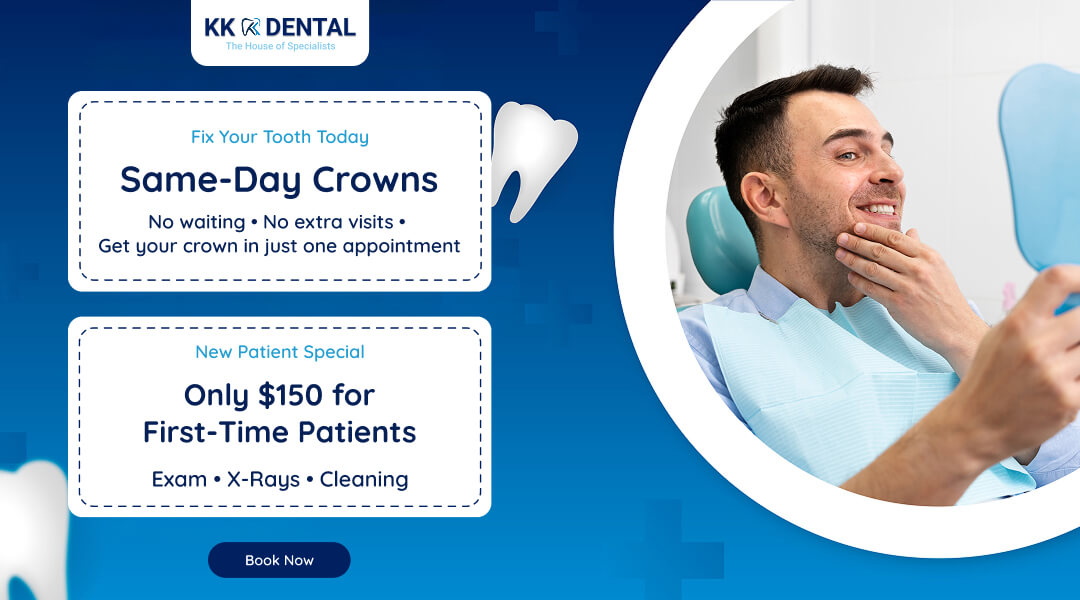
Once the custom-made crown is ready, the dentist will remove the temporary crown and test the customized one. If the crown is a perfect fit, the dentist will permanently install it over the damaged tooth. For Same-day CEREC crowns, the crown is made and installed on the same appointment.

How to Care for your Dental Crown

Below are essential tips for preserving your crown.

  • Brush and floss daily.
  • While the dental crown won’t develop decay like a natural tooth, the tooth underneath it can still get infected. Therefore, good daily oral hygiene practices are essential to prevent bacteria, plaque, and tartar buildup. These deposits can cause decay on the underlying tooth and other teeth.

    Brushing and flossing are essential to protect the natural tooth under the crown and the surrounding teeth, gums, and bone from infections. Avoid hard-bristled toothbrushes and abrasive oral products, as they can cause the crown to wear out much faster.

  • Avoid hard or sticky foods.
  • While crowns are strong and durable, they aren’t exempt from damage. Chewing on sticky, hard food items like ice can cause the crown to chip, crack, break, wear out, or dislodge. These damages will cause the need to replace the crown earlier than expected.

    Chewy or sticky food items can also get trapped between teeth and around the crown, encouraging bacterial plaque, which can cause decay and cavities in the tooth under the crown.

  • Avoid highly pigmented items.
  • Another key benefit of a dental crown is that it resists stains better than your natural teeth. Due to its non-porous nature, a crown will preserve its bright appearance for many years.

    However, its non-porous nature also means it won’t respond to teeth whitening like your natural teeth. That said, avoid or limit staining food items like coffee, tea, red wine, tomato sauces, and dark candies. Also, be sure to avoid tobacco products.

  • Avoid damaging habits.
  • Bad oral habits that can damage your natural tooth can also damage your crown. To care for your crown, refrain from damaging habits such as chewing pens or using your teeth to open cans or cut nails.

  • Avoid or limit sugary items.
  • Limiting sugary items is good for your crowned tooth, natural teeth, gums, and overall health. Sugary and starchy foods and beverages encourage the harmful bacteria in the mouth to grow and multiply, increasing the risk of decay in the crowned tooth and other teeth. If you must take these items, rinse your mouth with water or brush your teeth to wash away any leftover particles.

  • Wear a mouthguard.
  • Sports accidents and bruxism are common causes of dental damage. To protect your crown and remaining teeth, consult your dentist about a customized mouth guard for contact sports and tooth bruxism.

  • Schedule routine dental check-ups and cleanings.
  • Regular dental assessments will help eliminate bacterial plaque and tartar, reducing the risk of decay under the crown. The dentist also gets a chance to check your crown for damage or problems. A damaged or ill-fitting crown exposes the crowned tooth to bacteria that cause decay.

Schedule an Appointment Today

For more information about dental crowns and cosmetic dentistry in Somerset, contact KK Dental – Somerset to begin your treatment today.

How to Manage Pain After Tooth Extraction

A dentist will always do anything to save your natural tooth. Tooth extraction involves removing a natural tooth from the roots. In most cases, tooth extraction is performed to remove baby teeth, a severely damaged or decayed tooth, an impacted wisdom tooth, or eliminate overcrowding.

While tooth extraction is a standard procedure, many patients still have significant anxiety and fear. Pain is perhaps the greatest concern when it comes to tooth extractions. If you’ve scheduled a tooth extraction, this article will help you prepare better to minimize discomfort and other symptoms and help you recover faster.

What to Expect During the extraction

A general dentist or oral surgeon can perform tooth extraction procedures. Thanks to sedation, you will be numbed to keep you pain-free throughout the procedure. The dentist will inject an anesthetic into the gums near the tooth extraction. You might need general anesthesia if you have a surgical extraction.

Depending on your tooth’s condition, you can have a simple or surgical extraction. A simple extraction is used when a tooth is visible and accessible above the gum line. A surgical extraction is needed if a tooth is trapped in the gums or bone.

How to Make Tooth Extractions Less Painful

After the tooth extraction, it will take a while for the anesthesia to wear off. Once it does, it’s normal to experience minor discomfort and swelling. Use the tips below to manage pain and other symptoms better and recover quickly:

  • Take Painkillers

After the extraction, your dentist or surgeon will likely prescribe medication to manage the pain. You can also be given antibiotics and anti-inflammatory medications to control swelling and prevent infections. It helps you heal better and faster.

Take the medication as prescribed. If you don’t have a prescription, consult your dentist about the over-the-counter medicines you can take. Contact our dentist in New Brunswick, NJ, or visit a dental office near you if your symptoms worsen or persist beyond normal.

  • Cold therapy

Cold therapy is an excellent remedy to manage pain and swelling within the first 24 hours after the extraction. Cold therapy provides a natural numbing effect, helping to reduce pain and swelling. For this, consider placing an ice pack on the side of the face against the area of extraction. Do this in 15-minute intervals for 1 – 2 hours.

  • Bite on the gauze pad

Minor bleeding after tooth extraction can be expected. The dentist will place a gauze pad on the gauze and ask you to bite. You should leave the gauze in place until the bleeding stops. You should change the gauze if necessary. The gauze promotes clot formation, which is necessary for the bleeding to stop. Not allowing the clot to form increases the risk of infection or dry socket, which can be uncomfortable.

  • Rest adequately

While a tooth extraction might seem like a minor procedure, you still need to get enough rest to allow the extraction area to heal. Strenuous activities like lifting can cause significant pressure on the extraction site, increasing your discomfort and causing further bleeding. When resting, keep your head elevated to allow blood flow from the extraction area and facilitate faster healing.

  • Eat a soft diet

After tooth extraction, the extraction area might be sensitive or sore for a few hours. To avoid disturbing the extraction area, take soft foods and beverages like water, yogurt, oatmeal, scrambled eggs, and soup to avoid disturbing the extraction areas.

What Not to Do

  • In the first 24 – 48 hours, avoid sucking, spitting, rinsing, or using a straw.
  • Avoid hard, crunchy, chewy, and spicy foods.
  • Avoid touching the surgical site with your finger or tongue.
  • For the next 48 hours, do not smoke or drink alcohol.

Schedule an Appointment Today

Do you need a tooth extraction in North Brunswick? Contact KK Dental – North Brunswick to book your appointment today.

What to Expect from Root Canal Therapy

Are you experiencing persistent throbbing tooth pain? If so, you might have tooth decay. Tooth decay happens when your tooth’s enamel gets damaged, exposing the tooth’s internal structure, like the pulp. It can occur due to poor dental hygiene, dental trauma, and attacks from acids. When not treated promptly, bacteria can attack the tooth’s pulp, infecting the tooth’s blood vessels and nerves and causing decay.

If your tooth is infected, the dentist might recommend root canal therapy to remove decay and prevent further damage. Like most people, you might be anxious about what to expect during and after the procedure. A root canal procedure sounds intimidating and painful. However, that’s not the case. Keep reading to learn more.

What is a root canal treatment?

When a tooth is infected, bacteria continue to infect and eat away more of its structure, significantly weakening it. Over time, it can lead to tooth loss. The infection can also spread to the surrounding teeth, gums, jawbone, and other connective tissues, causing further complications. Fortunately, a root canal can prevent all that from happening.

A root canal is an endodontic procedure for removing an infected tooth’s pulp. Removing the infected pulp eliminates the infection and saves the remaining part of the tooth.

You might qualify for a root canal treatment if you have the following symptoms:

  • Persistent toothache
  • Unexplainable bad breath
  • Increased tooth sensitivity
  • Pain when chewing or brushing
  • Dental abscess
  • Swelling of lymph nodes, neck, or face
  • Pain accompanied by fever

Once you visit a dental office near you, they will review your tooth’s condition to determine whether you’re a good candidate for a root canal. The exam will include x-rays to determine how much of the tooth is damaged. The dentist might recommend tooth extraction if the tooth lacks enough structure to support a restoration.

Root Canal Therapy Procedure

The dentist will begin by administering sedation to numb the area around the infected tooth. Next, the dentist drills through the tooth to access the infected pulp. They remove the decayed and infected parts of the tooth.

The tooth is cleaned, rinsed, disinfected, and dried. After removing the infected pulp, the dentist fills the space. A temporary filling or crown protects the tooth during healing. A permanent filling and crown can be placed after healing.

Since a root canal involves removing a part of the tooth, the tooth is significantly weakened and susceptible to damage and further decay. A permanent restoration is essential to strengthen the tooth and protect it from further damage. Our dentist in Edison will help you choose a material for your permanent filling or crown.

How long does it take to recover from a root canal?

On average, it only takes a few days to recover from a root canal. Immediately after the procedure, the anesthetic will wear off, and you might experience minor side effects like swelling and discomfort. Fortunately, these symptoms will fade away in a few days. Your dentist will give you aftercare tips to manage the symptoms and promote faster recovery.

These can include:

  • Take medication as directed by the dentist. Consult the dentist if you need to take unprescribed medications.
  • Take a soft food diet for the next 24 – 48 hours. Avoid hard, chewy, and crunchy food items. Don’t chew on the side of the treated area until a permanent filling or crown is placed.
  • Use an ice pack on the face outside the treated area.
  • Limit consumption of acidic and spicy foods to avoid irritating the treated area.
  • Limit sugary foods as they can encourage further bacterial infections.
  • Maintain excellent oral hygiene. Brush gently around the treated area.

Notify your dentist if something feels wrong or the temporary restoration comes out. Contact our endodontist near you if you experience severe or persistent symptoms like pain, swelling, and fever.

Schedule an Appointment Today

Are you interested in a root canal in Edison? Contact KK Dental Edison to book your appointment.

Can I Get a Crown If I Have Gum Disease?

What Is a Crown?

It is a dental appliance that repairs and restores damaged teeth. Somerset dentists use dental crowns to restore severely compromised tooth structures. The crowns mimic natural teeth, embracing a tooth-like shape. Porcelain is the most celebrated type of dental crown in dentistry.

Porcelain dental crowns are both tooth-shaped and tooth-colored, giving you a natural-looking result. However, you can also consider porcelain-fused-to-metal crowns that feature metallic and non-metallic components.

When Are Dental Crowns Necessary in Dentistry?

Dentists at KK Dental – Somerset can recommend dental crowns for your treatment under the following circumstances:

  • Fixing a cracked or broken tooth – a dental crown can repair a severely fractured tooth to restore its function and aesthetics.
  • Completing a root canal procedure – sometimes, dentists recommend placing dental crowns over teeth after the endodontic procedure. The dental crown offers extra protection to the treated tooth while strengthening it for optimal functionality.
  • Holding a sizeable dental filling – if you undergo a restorative treatment with dental fillings, you may need a dental crown to hold your tooth structure. A big tooth filling can weaken the remaining natural tooth unless reinforced with a dental crown.
  • Crowning a tooth after implantation surgery – dental implants in Somerset are permanent solutions for replacing teeth. However, after replacing the tooth root, the false tooth will not be functional unless it is crowned. Dental crowns are the most popular appliances for completing implantation procedures.

Getting Dental Crowns with Gum Disease

Gum disease is a common oral disease that has many consequences. Delayed treatment allows the infection to spread and advance, causing permanent complications like tooth loss. Therefore, when you realize you have gum disease, contact a dentist near you for treatment options like gum surgery in Somerset. Some indicators that you need urgent gum treatment are:

  • Bleeding gums
  • Sore, swollen, and tender gums
  • Reddened gums and mouth sores that do not heal
  • Persistent bad breath – also called halitosis
  • Spaces between teeth
  • Black triangles at the base of teeth
  • Exposed tooth roots
  • Receding gums – when your gums begin to pull away from your teeth.
  • Shaky teeth
  • Tooth loss

Although dental crowns can correct many dental flaws, they are not the ideal treatment for gum disease. Porcelain crowns will not stop your gums from receding or the infection from spreading. Therefore, when you visit your dentist, the first order of business will be to treat the underlying infection. Besides, your qualification for dental crowns largely depends on the stage of gum disease. Advanced gum disease, also called periodontitis, automatically disqualifies you from getting dental crowns. However, if you are at an early stage of gum infection, you can receive treatment for your gums and still get dental crowns.

Alternative Treatments for Gum Disease

Only a comprehensive dental exam can help determine whether you are suitable for dental crowns when you visit your dentist. Patients with a mild infection can get dental crowns and proceed with different treatment protocols for gum disease like dental cleanings and prescribed antibiotics. However, severe gum infections merit different treatments, including the following:

  • Gum surgery – gum grafts can repair and rebuild damaged soft tissue to restore your gums’ health.
  • Root planing and scaling – are procedures for cleaning the base of your teeth to smoothen the roots. The procedures also entail scraping plaque and tartar from tooth surfaces to rid your teeth of bacterial infections.
  • Dental implants – to replace your loose teeth that can fall off soon. Instead of dental crowns, invest in a long-term solution for your oral health.
  • Bone grafting surgery – to restore damaged bone tissue. Besides, your jawbone’s health is crucial if you want to undergo an implantation procedure to replace your teeth.

Summary

Ultimately, prioritize your oral health above your smile’s aesthetics. Once your dentist ensures that your teeth and gums are in a great state, you can consider other treatment protocols to improve your smile’s appearance.

Everything You Should Know About Hot and Cold Water Hamper Bone Grafting

Bone grafting is a dental procedure that restores the jawbone. When you think about oral health, you hardly consider the jaw’s health, even though it is a vital part of the oral cavity. Most dental procedures revolve around teeth health. However, caring for your jawbone’s health is crucial, especially if you want to have teeth throughout your life.

What Is a Dental Bone Graft?

It is a foreign bone tissue that a dentist in New Brunswick, NJ, places in your jawbone to repair and rebuild your natural bone when it is weak. Ideally, the jawbone can remain healthy as long as you have teeth in your mouth. Some factors that threaten bone health in your oral cavity are:

  • Tooth loss – leaves the jawbone inactive, prompting the body to absorb the bone tissue gradually.
  • Trauma – dental trauma can cause fractures and other damage to your jawbone.
  • Infection – gum infections do not just hurt your gum tissue. If you delay seeking treatment from a dental office near you, the infection spreads to your bone tissue, weakening it.

Where Do Bone Grafts Come from?

For bone grafting in North Brunswick to be successful, a dentist must obtain a sizeable amount of healthy bone tissue, usually in the form of a granulated powder. Surgical dentists can obtain bone grafts from different sources, including the following:

  • A part of your body
  • Human donor
  • A synthetic source

The Process of Bone Grafting

At KK Dental – North Brunswick, bone grafting procedures are particular for patients interested in replacing their teeth with dental implants. The process entails placing the granulated powder of the bone graft directly on the tooth socket at the location of tooth loss. Afterward, the dentist will put in sutures that will close the socket and allow the healing process to begin.

How Long Does It Take for Bone Grafts to Dissolve?

It takes about 3-6 months for a bone graft to dissolve once it is in your jawbone. Dissolving means that the jawbone matures and integrates with the other bone tissues to become your bone. During this period, you must be careful about what you eat and how you care for your mouth.

Post-Operative Instructions for Quick and Smooth Recovery

Before you leave the dental office, your dentist will provide several instructions that will benefit your recovery period. They include:

  • Avoid chewing directly in this area – chew on the other side of the mouth, especially during the first two weeks of recovery.
  • Eat soft foods only – the first week is especially crucial.
  • Take your pain medication – the dentist will prescribe a large dosage to help manage your pain and inflammation after surgery.
  • Brush very carefully – focus on the adjacent teeth to ensure they don’t harbor bacteria that could cause an infection. It is best to start brushing the next day after your procedure. However, you are better off changing to a soft-bristled toothbrush to avoid abrasion and excessive force on the grafted site.
  • Use ice – cold compressing will alleviate swelling and pain for the first 48 hours post-surgery.

Can A Bone Graft Fail?

Unfortunately, not all bone grafting procedures are successful. A lot of it has to do with patients neglecting recommended after-care measures for their recovery period. Some of the indicators of a failed or failing bone graft are:

  • Severe dental pain after one week of recovery – discomfort is normal during the first 3-7 days post-surgery. Anything more than that is worth reporting to your surgical dentist.
  • Tooth sensitivity – if your adjacent teeth are overly sensitive after surgery, call your dentist immediately.
  • Discharge of the wound
  • Gum inflammation – carries other symptoms such as red, puffy, and bleeding gums. While you should anticipate some swelling and soreness during the first week of recovery, it should improve with time.
  • Receding gums – your gums should look and feel fuller and thicker after surgery. Gum shrinking and thinning are indicators that your bone graft has failed.

Steps to Perform an Oral Cancer Screening

What Is Oral Cancer Screening?

Dentists perform a dental examination to determine the presence of cancerous cells in your oral cavity. Ideally, an oral cancer screening is a procedure in preventive dentistry in Edison that allows dental experts to detect and cure cancer early.

When you visit a dental clinic in Edison for routine dental exams, the dentist will also examine your mouth for any anomalies indicative of precancerous cells. Should your dentist recommend additional screening measures, it could be out of a suspicion of oral cancer. However, an oral cancer screening is not a cure for cancer. It is the first measure necessary to detect any abnormalities early. Still, you will require additional tests like a biopsy to diagnose you with any oral cancer.

Who Needs Oral Cancer Screening?

Anyone can benefit from regular oral cancer screenings. The test aims to detect any anomalies in your oral cavity that may point to oral cancer. There is no point in undergoing the screening test frequently unless you are at a high risk of oral cancer. Some groups of people that require frequent oral cancer screenings are:

  • A previous diagnosis of oral cancer or a different type of cancer.
  • Smokers – and patients who consume tobacco in any other form, including snuffing and chewing tobacco.
  • A family history of oral cancer
  • Alcoholics and heavy consumers of alcohol
  • History of significant exposure to direct sunlight

What Does Oral Cancer Screening Entail?

The screening process entails two main facets; extraoral examination and intraoral cavity examination. During the different tests, expect your dentist to put gloved fingers in your mouth for palpation repeatedly. Further, your dentist may employ a special blue screening dye to cause abnormal cells in your mouth to stand out by absorbing the dye and turning blue. The dentist may also use a screening light that makes healthy tissue appear dark while the abnormal cells appear white. While on the dentist’s chair at KK Dental Edison for oral cancer screening, anticipate the following steps:

  • Extraoral examination
  • The face – the Edison dentist will evaluate your entire face, looking for asymmetry, ulcerations, masses, or swelling. The dentist will quickly identify any hard protrusions on your face and skull.
  • The eyes – your dentist will consider different aspects of your eyes, including cranial nerve involvement, swelling of the eye, and periorbital inflammation.
  • Ears and nose – the nasal evaluation is crucial as it is directly linked to the maxilla and maxillary sinus, which can impact oral health. The dentist will check for hearing impairment, ulcerous lesions, pigmentations, and tumors.
  • The neck – the dentist will compare both sides of your neck, particularly for any signs of lymph node enlargement and signs of immobility.
  • The thyroid – the dentist will evaluate the thyroid glands for any tenderness, nodules, or masses. (S)he will have you swallow while the fingers are adjacent to the gland.
  • The lips – the dentist will evaluate your lips with your mouth both opened and closed. Any texture, color, firmness, contour, or symmetry anomalies will be noteworthy for the screening process.
  • Intraoral cavity examination
  • Buccal mucosa – is the lining of your cheeks and the back of the lips where they touch the teeth. The dentist can examine the area along the upper and lower jaws by placing fingers accordingly to identify any irregularities in your Buccal mucosa’s firmness, texture, and color.
  • Tongue – you will stick out your tongue, moving it from side to side as the dentist evaluates it. A nerve paralysis can inspire limitations to movement or cause your tongue to deviate in the direction of the lesion. Your tongue’s lateral border is especially a point of concern since it is the most common site for tongue cancers. The other area of observation is the tongue’s ventral surface when you touch the roof of your mouth with the tip of your tongue.
  • The mouth floor – refers to the entire U-shaped area from the alveolar ridge to the tongue’s ventral surface.
  • Hard and soft palate – rough patches, white spots, masses, and asymmetry are noteworthy for the evaluation.
  • Tonsils – your dentist will focus on the oropharynx to identify any redness, swelling, or ulceration.

Why Are Your Gums So Important To Your Health?

Gum health is a crucial aspect of oral health. It also plays a significant role in the overall health of your body. Unhealthy gums are an avenue to developing chronic diseases.

Gums cover your teeth, roots, and jawbone. They are the shielding layer against bacteria that damage gum tissue and cause degenerative diseases. Once bacteria accumulate on the flaps, they cause periodontal disease.

KK Dental – Somerset understands the importance of gums to your overall health. They recommend regular visits to the dentist for checkups and cleanings. By maintaining oral hygiene, you avert many health problems that arise as a result of gum diseases.

How Gum Disease Starts

The mouth is an ecosystem of bacteria known as the oral microbiome. Different types of bacteria compete for space, achieving a perfect balance. Your gums are protected as long as the balance exists. Any distortion to the ratio opens room for pathogens to invade.

Once pathogens invade, the gums start swelling, thereby destroying the tissues. The body’s immune system senses the existence of the disease-causing bacteria and produces substances that destroy the bacteria and damage the gum tissue.

Gum Disease’s Effects Throughout the Body

Periodontal disease causes several effects ranging from mild redness and swelling of gums to destruction of the tooth’s framework. Once the entire tooth framework is damaged, you begin to lose teeth. Periodontal disease affects your whole body in various ways.

Heart Health

Gum disease has a direct effect on your heart health. It causes inflammation in your entire body. Some studies have found that severe gum disease links to heart disease. Heart disease is an inflammatory disease that multiplies the probability of a stroke, especially when a person suffers from gum disease.

Lung Health

Periodontal health promotes lung health for persons with obstructive pulmonary disease. Periodontal disease increases the risk of respiratory infections like pneumonia due to inhaling bacteria in the respiratory tract.

Nutritional Health

Meanwhile, gum disease is the foremost cause of tooth loss. Tooth loss makes eating certain healthy foods like crisp fruits and vegetables more difficult. Lack of teeth also causes chewing problems resulting in poor nutrition, which in turn causes problems such as dizziness and fatigue.

Emotional Health

People first notice your smile when in public. It is therefore essential to have a friendly smile, which is not the case for individuals with gum disease. Lack of teeth leads to substantial social problems leading to reduced emotional health.

Overall Body

Periodontal disease causes a surge in the bacteria present in your mouth. The increased bacteria in your mouth increases their chance of getting absorbed into the bloodstream, which may lead to more severe infections. For instance, some researchers have identified a link between gum disease and rheumatoid arthritis. Using an antibacterial mouthwash helps reduce the bacteria and thus lowers the probability of getting gingivitis.

How to Prevent Periodontal Disease

Being ahead of the game is ideal for taking care of your gums. You can maintain optimal gum hygiene and avoid challenges associated with gum diseases. There are several tips to prevent bacterial infection.

  • Brush and floss – brushing your teeth twice each day and flossing them before sleeping is advisable. If you have dental implants, braces or bridges, or wide gaps between the teeth, you might use an interdental brush with tiny bristles on one end to clear any trapped food.
  • Eat a healthy diet – Once you adhere to brushing and flossing your teeth daily, you can supplement your gum health by taking healthy foods that provide essential nutrients. They include nuts, legumes, fruits, oils, and fatty fish.
  • Don’t smoke – smoking increases the chances of developing gum disease. You can avoid smoking and stay clear of periodontal disease.

Tips for Keeping Healthy Gums

  • Brush your teeth with fluoride toothpaste.
  • Ensure you rinse your mouth with an antiseptic mouthwash at least once daily.
  • Replace old toothbrushes that are worn out.
  • Adhere to regular visits to your dentist for checkups and cleanings.
  • Avoid eating sugary snacks and drinks.

6 Remedies for Teeth Bruxism

Do you wake up with jaw pains and headaches? Or perhaps you’ve noticed that your back teeth are flattened when brushing teeth and flossing? If so, you could have bruxism. Bruxism is a common disorder where you grind your teeth or clench your jaw while asleep (sleep bruxism) or awake (awake bruxism). Sleep bruxism is the most common.

Since bruxism happens unconsciously, you might not know you have the condition until the symptoms appear. While bruxism isn’t life-threatening, it can lead to serious side effects. Common side effects of teeth grinding include:

  • Morning headaches
  • Pain in the jaw, ears, and face
  • Teeth wearing down or flattening
  • Loose or falling teeth
  • Dental trauma like chips, cracks, or breaks
  • Persistent tooth pain
  • Cracked or damaged restorations like fillings and crowns

If you have or suspect you have bruxism, see a dentist for professional diagnosis and treatment as soon as possible. They will examine your teeth, bite alignment, and mouth to determine whether you have bruxism. Untreated teeth grinding can increase your risk of long-term complications such as:

  • Chronic headaches and ear pain
  • Facial muscle enlargement
  • Tooth damage that results in cavities or tooth loss. These issues require extensive treatments like dental crowns and implants to treat.
  • Temporomandibular joint disorders (TMJ)

Remedies for Teeth Bruxism

Below are common tips you can use to manage teeth grinding and clenching:

  • Stress and anxiety management

For some people, bruxism may be linked to underlying issues like stress, depression, weight loss, and anxiety. In such cases, lifestyle techniques such as meditation, yoga, talk therapy, and exercise manage these conditions and eliminate teeth grinding. These techniques are also beneficial for your overall well-being.

  • Lifestyle Changes

Certain lifestyle habits such as tobacco use, drug abuse, alcohol use, and high caffeine are linked to teeth grinding and clenching. Avoiding or limiting these substances can reduce or stop the problem of bruxism.

  • Mouth Devices

If you have mild to moderate sleep bruxism, your dentist might recommend wearing a night guard. A night guard is also used for a number of sleep-related disorders like sleep apnea and snoring. The guard prevents the upper and the lower teeth from grinding against each other while sleeping. While they won’t cure bruxism, they preserve the health of your teeth and reduce other symptoms of bruxism

When considering a night guard, be sure to use a custom-made mouthguard from your dentist. It’s designed according to your mouth structure, offering maximum protection, comfort, and durability. While you can opt for cheaper over-the-counter night guards, they might be bulky and ill-fitting, which can worsen your condition and cause breathing problems.

  • Tongue and Jaw muscles exercises

The build-up of stress in your jaw can trigger you to grind your teeth or clench your jaw. Fortunately, you can try some tongue and jaw exercises to help relax and maintain the proper position of your jaw and facial muscles. You can consult a physical therapist to determine which exercises suit you better. In the meantime, you can try massaging your jaw to loosen up the muscles.

  • Orthodontic treatments

Sometimes tooth grinding might be caused by orthodontic problems like a poor bite, crooked teeth, and overcrowding. Your dentist might recommend orthodontic treatments like traditional braces and Invisalign to align your bite and prevent teeth grinding and clenching.

  • Treating Existing Conditions

Sometimes teeth grinding and clenching can be a side effect of certain medications such as antidepressants. If that’s the case, you can consult your doctor about a different prescription. Similarly, bruxism can signify sleep-related disorders such as sleep apnea. Addressing sleep apnea can help improve sleep bruxism. Treating medical conditions like gastroesophageal reflux disease (GERD) can help manage bruxism.

Final Verdict

Early treatment for teeth grinding and clenching is essential to prevent severe and long-term complications. If you suspect or have bruxism, visit a dentist or doctor near you for diagnosis and treatment. For more information about teeth grinding and clenching, contact KK Dental – North Brunswick to book your appointment today.

Wisdom Teeth Extractions “Do’s and Don’ts”

Wisdom teeth always take time to develop, often developing during the late teenage years, around the age of 17 years. Unfortunately, some people experience complications with their wisdom teeth. For instance, if there isn’t enough room in the jawbone for the tooth to erupt or develop normally, the tooth becomes impacted. Such a tooth may:

  • Grow in a direction toward the adjacent tooth
  • Grow at a right angle position to other teeth
  • Grow straight down or up but stay trapped within the jawbone
  • Grow in a direction towards the back of the mouth

While not always, an impacted tooth can result in several problems such as:

  • Pain
  • Plaque and tartar build-up
  • Oral infections like gum diseases, tooth decay, and oral thrush
  • Damage to the nearby surrounding bone
  • Problems with orthodontic treatments
  • Development of a fluid-filled sac

Even if an impacted tooth isn’t causing problems, the dentist might recommend removing it to prevent future complications. The dentist might also recommend extraction if a wisdom tooth has developed normally but has suffered extreme damage or decay.

In most cases, the dentist extracts the tooth through surgical extraction. Most patients are often worried about their recovery after the surgery. Below are essential tips for faster healing and recovery after a wisdom tooth extraction.

After Your Wisdom Teeth Extraction, Here’s What You Should Do:

Following your dentist’s aftercare instructions is the first tip to facilitate faster healing and recovery. Other tips include:

  • Rest adequately. After oral surgery, avoid strenuous activities or exercises for the next few days. However, don’t be completely inactive; try short walks to improve blood circulation and facilitate faster recovery.
  • The dentist might prescribe medication to manage swelling and pain. Ensure you take medicine as directed by your dentist. Don’t use over-the-counter medication without consulting your healthcare provider.
  • Elevate your head. When lying down, use a soft pillow to raise your head.
  • Use an Ice Pack. In the first 24 – 48 hours after wisdom tooth removal, apply an ice pack outside the cheek to manage pain and swelling.
  • Bite on the gauze. It helps a clot to form and stop the bleeding for quick recovery.
  • Take a soft diet. The wound will be sensitive to extreme temperatures and touch after an extraction. When eating, opt for liquid and soft food diets like soups, mashed potatoes, yogurts, milkshakes, and smoothies. Chew on the side opposite the extraction area.
  • Stay Hydrated. Drink enough amounts of fluids to avoid dry mouth and oral infections. Do not use a straw.
  • Call your dentist or contact our dentist near you in Edison if bleeding and swelling worsen or persist beyond normal.

Wisdom Tooth Extraction Aftercare: Don’ts

  • For the next 24 hours, avoid sucking, spitting, rinsing, or using a straw to prevent dislodging the clot.
  • For the next 72 hours, avoid tobacco and alcoholic products to prevent a dry socket.
  • For the next three days to a week, avoid hard, spicy, crunchy, and chewy food items like nuts, carrots, popcorns, and hard vegetables to avoid disturbing and irritating the wound.
  • Don’t eat until the anesthesia wears off completely.
  • Do not take aspirin as it can affect blood clot formation.
  • Do not touch the wound with a finger, toothpick, or tongue. It can cause the blood clot to dislodge, resulting in a dry socket.

What Else Should I Know About Wisdom Teeth Extraction?

When preparing for a wisdom tooth extraction surgery, your dentist might ask you to choose a form of sedation to keep you pain-free and comfortable throughout the procedure. If you have another sedation other than nitrous oxide (laughing gas), organize for a friend to take you home after the procedure. Also, be sure to have someone stay with you in the first few hours, just in case you encounter any complications.

Schedule an Appointment Today

Do you need more information about wisdom tooth extraction? Contact KK Dental Edison to book your appointment with our dentist.

Change Your Dental Experience with Sedation Dentistry

Dental phobia is a serious issue that causes millions of people to avoid dental care. Unfortunately, avoiding or delaying dental care isn’t the answer to your oral troubles. If left untreated, most oral issues often advance to severe and life-threatening stages, causing the need for more invasive and expensive treatments.

Dental fear, anxiety, or stress are triggered from a dental setting or the thought of procedures like injections and drilling. It can be from a previously bad or painful dental experience. If the thought of dental appointments makes you feel uneasy or anxious, you can benefit from sedation dentistry.

Signs you have dental anxiety or phobia and you might benefit from sedation dentistry include:

  • Racing heartbeat or palpitations
  • Sweating
  • Low blood pressure
  • Fainting (syncope)
  • Withdrawal or aggression
  • Visible distress, signs of panic, or crying

Visit our office for more information about sedation dentistry in Somerset.

Benefits of Sedation Dentistry

There are many ways sedation dentistry can make your dental experience better:

  • Quicker dental appointments

Dental fear or anxiety can delay or affect how your dentist provides dental care, especially among kids. For instance, signs of panic or crying can slow down or completely prevent treatment. When sedated, you’ll feel relaxed, painless, and calm. This allows our Somerset dentist to work faster and uninterrupted.

  • Get multiple treatments in one sitting.

Sedation dentistry keeps you relaxed and comfortable enough to undergo lengthy or multiple appointments without feeling tired or irritated. Having multiple appointments will save you and your dentist plenty of time and money.

  • It gives you a positive dental experience.

If you normally feel anxious about seeking dental care, dental sedation can change your perspective. Once you realize how comfortable, painless, and calm you can receive dental treatment, you won’t feel anxious or fearful about visiting your dentist. Sedation dentistry will give you a positive experience with dental care and help you get dental care when necessary.

  • Prompts you to seek preventive care

Apart from seeking dental care, dental anxiety can prevent you from visiting your dentist for routine dental exams and cleanings. These appointments are essential to prevent potential oral issues and facilitate early treatment.

You’ll feel calm and pain-free during your routine appointments with sedation dentistry. It will prompt you to keep up with your routine appointments and help you maintain excellent oral health.

  • Sedation helps with strong gag reflexes.

Patients with a strong gag reflex can gag or throw up during dental appointments. It can make dental appointments uncomfortable, longer, and embarrassing. Thanks to sedation dentistry, you’ll feel relaxed and calm, significantly reducing or eliminating gag reflex.

  • Painless treatments

Perhaps the primary cause of dental anxiety is pain. Even when undergoing invasive treatments that can cause pain, sedation dentistry prevents any pain or discomfort, allowing you to undergo treatments comfortably.

  • Improves your oral and overall health

Delaying or avoiding dental care due to dental anxiety or phobia can harm your oral and overall health. For instance, untreated gum infection can lead to serious oral and overall illnesses like jawbone disorders, certain cancers, diabetes, respiratory problems, and heart problems. Sedation dentistry makes dental appointments quick and comfortable. It will always prompt you to seek dental care whenever necessary, helping you maintain excellent oral and overall wellness.

  • You have several options to choose from

Several sedation options are available based on factors like your age, overall health, and the length and type of procedure you’re undergoing. The sedation administered can be mild, moderate, or deep.

Mild sedation only keeps you relaxed and calm, but you’ll be conscious, and you can communicate. These types of conscious sedation are often administered orally through a pill or by inhaling a gas (nitrous oxide).

Deep forms of sedation make you fully unconscious. Most patients don’t remember anything about their treatment. For most types of sedation, you’ll need someone to drive you home after the procedure.

Schedule an Appointment Today

Ready to begin pain-free, relaxed, and comfortable dental treatments? Contact KK Dental – Somerset to speak with our family dentist in Somerset.

Call Now Book Appointment
Click to listen highlighted text!