

What Is PPO Dental Insurance and How Does It Work for Patients?
Dental insurance can feel confusing, especially when you are trying to understand different plan types. One of the most common options patients encounter is PPO dental insurance. While many people have heard the term, fewer truly understand how these plans work, what they cover, and what to expect when visiting a dental office.
This guide explains PPO dental insurance in simple terms, how it functions in real-life dental visits, and why it remains a popular choice for many patients.
What Does PPO Dental Insurance Mean in Simple Terms?
A PPO, or Preferred Provider Organization, dental plan is a type of insurance that allows patients to choose from a whole network of dentists while still offering flexibility to see providers outside the network if needed.
In simple terms, PPO plans:
- Offer a list of preferred, in-network dentists
- Allow patients to see out-of-network dentists at a higher cost
- Share costs between the patient and the insurance company
Many patients searching for a PPO dentist near me choose these plans because they balance affordability with provider choice.
How Do PPO Plans Work at a Dental Office?
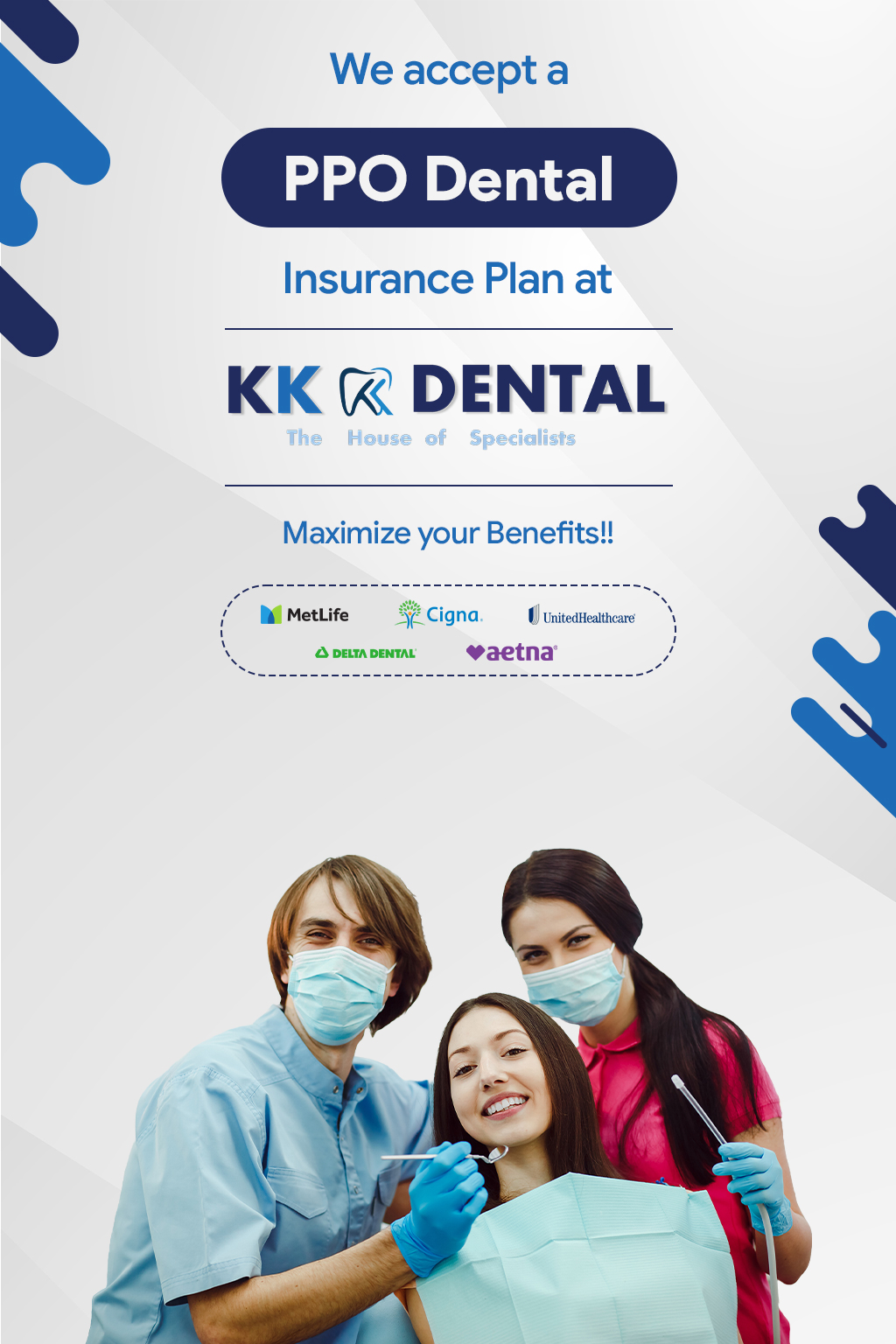
When you visit a dental office with a dental PPO plan, the process typically begins with verifying your insurance benefits. The dental team checks what services are covered, what percentage the plan pays, and whether any deductibles apply.
Once treatment is completed:
- The dental office sends the claim to your insurance company for processing
- The insurance company processes the claim
- Payment is sent according to your plan’s coverage rules
The patient is responsible for any balance left not covered by the plan, such as deductibles, copayments, or coinsurance.
In-Network vs. Out-of-Network Basics
Understanding the difference between in-network and out-of-network providers is essential with PPO plans.
In-network dentists have agreed to contracted fees with the insurance company. This usually means:
- Lower out-of-pocket costs for patients
- Predictable pricing
- Reduced overall treatment costs
Out-of-network dentists do not have contracted rates, which may result in:
- Higher patient responsibility
- Insurance covering a smaller portion
- Additional balance billing
That flexibility is one reason a dental PPO plan appeals to patients who want options without being locked into a single provider.
Why Are PPO Plans Popular Among Patients?
PPO plans are widely used because they offer a balance between cost control and freedom of choice. Patients appreciate being able to change dentists without changing insurance plans.
Key reasons PPO plans are popular include:
- Larger dentist networks
- Partial coverage for out-of-network visits
- No referral requirements
- Broad coverage for preventive services
For patients who value flexibility, PPO insurance often feels more practical than more restrictive plan types.
How Do PPO Plans Differ From Cash-Paying Visits?
Patients paying out of pocket without insurance typically pay the full cost of treatment at the time of service. While this can sometimes simplify billing, it also means there is no contribution from an insurance provider.
With PPO insurance:
- The insurance company helps cover a part of the cost
- Preventive care can be covered at a higher percentage
- Patients receive negotiated rates when seeing in-network providers
Understanding how PPO dental insurance works helps patients decide whether using insurance or paying cash makes more sense for their situation.
What Do Patients Receive After Insurance Is Billed?
After a dental claim is processed, patients receive a document called an Explanation of Benefits, often referred to as an EOB. This is not a bill but a summary of how the claim was handled.
An EOB typically shows:
- The total cost of treatment
- The amount covered by insurance
- Any discounts applied
- The remaining patient responsibility
This transparency helps patients understand exactly how their PPO plan applied to their visit.
Common PPO Terminology Patients Should Understand
Dental insurance paperwork often includes unfamiliar terms. Understanding a few key ones can make PPO plans easier to navigate.
Common terms include:
- Deductible: This is the amount you must pay before insurance coverage begins
- Coinsurance: The percentage of costs shared between you and the insurer
- Annual maximum: The total amount insurance will pay in a year
- Allowed amount: The maximum fee insurance recognizes for a service
- Waiting period: The time before certain services become covered
Knowing these terms can help patients feel more confident when reviewing benefits and treatment estimates.
Final Thoughts on PPO Dental Insurance
PPO dental insurance remains one of the most flexible and widely accepted coverage options available. By offering choice, shared costs, and broad access to dental care, PPO plans continue to meet the needs of many patients.
Understanding how these plans work empowers patients to make well-informed decisions about their oral well-being and finances. At KK Dental, the focus is on helping patients clearly understand their insurance benefits so they can focus on getting the care they need with confidence.

Dr. Sita Kulkarni
Dr. Sita Kulkarni, a General Dentist at KK Dental, has 10+ years of experience and is committed to community service, including volunteering with Dentists Without Borders.